
Keep Your AC Running Efficiently All Season Long
Summer puts your air conditioning system to the ultimate test. With temperatures soaring and your AC working overtime, proper summer air conditioner maintenance becomes crucial for keeping your home comfortable. Regular maintenance helps you avoid costly breakdowns. It also extends your system’s lifespan and improves energy efficiency while reducing utility bills.
Table of Contents
Change Your Air Filter Regularly
Why Filters Matter in Summer
The air filter is your AC system’s first line of defense against dust and dirt. During summer months, your system runs all the time, so filters get clogged much faster. A dirty filter blocks airflow and forces your AC to work harder.
How Often to Change Filters
Check your filter every month during peak summer usage. Most standard filters need replacement every 30-60 days. High-efficiency filters may last up to three months. If you have pets or live in a dusty area, you may need to change filters more often.
Choosing the Right Filter
When selecting replacement filters, look at the MERV rating. Filters with MERV ratings between 8-13 work great without blocking too much airflow. Higher MERV ratings can actually hurt your system’s efficiency if your unit can’t handle the extra resistance.
Clean the Outdoor Unit and Coils
Clear Around Your Outdoor Unit
Your outdoor unit works hard during summer and needs proper airflow to work well. Remove any leaves, grass clippings, or debris from around the unit. Keep at least two feet of clear space on all sides. Trim back any plants that might block airflow.
Cleaning the Condenser Coils
The condenser coils can get dirty and reduce your system’s efficiency. Always turn off the power to the unit before cleaning. Use a garden hose to gently spray the coils from inside to outside. Avoid high pressure that could damage the thin metal fins.
For tough dirt buildup, use a soft brush or special coil cleaner. Never use a pressure washer or harsh chemicals. Clean coils can improve your system’s efficiency by up to 15%.
Check and Adjust Thermostat Settings
Optimal Temperature Settings
Set your thermostat to 78°F when you’re home and active. Raise it 7-10 degrees higher when you’re away. This simple change can reduce your cooling costs by up to 10% each year.
Consider Upgrading Your Thermostat
Think about getting a programmable or smart thermostat if you don’t have one. These devices automatically adjust temperatures based on your schedule. Smart thermostats can even learn your preferences and adjust on their own.
Proper Thermostat Placement
Make sure your thermostat is level and away from heat sources. Keep it away from direct sunlight, lamps, or appliances. A poorly placed thermostat can cause your AC to turn on and off too often.
Inspect and Clean Air Vents
Check All Your Vents
Blocked or dirty air vents hurt your AC’s performance and air quality. Walk through your home and make sure all vents are open. Remove furniture, curtains, or other items that might block them. Even partly blocked vents can strain your system.
Clean Your Vent Covers
Remove vent covers and clean them with soap and water. Get rid of all dust and debris buildup. Use a vacuum with a long attachment to clean inside the ducts as far as you can reach.
Professional Duct Cleaning
Consider having your ducts professionally cleaned every 3-5 years. This is especially important if you notice lots of dust, musty smells, or visible mold. Clean ducts improve air quality and help your system work better.
Monitor Refrigerant Levels
What Refrigerant Does
Refrigerant is like the blood of your air conditioning system. It absorbs heat from your home and releases it outside. Low refrigerant levels can seriously hurt cooling performance and damage your compressor.
Signs of Low Refrigerant
Watch for these warning signs: reduced cooling, ice on coils, hissing sounds, or unusually high energy bills. If you notice these problems, call a professional right away. Don’t try to add refrigerant yourself.
Why You Need a Professional
Checking refrigerant levels requires special equipment and training. Modern AC systems use environmentally friendly refrigerants, but they still need proper handling. Only EPA-certified technicians should work with refrigerant.
Clear Condensate Drains
How Condensate Drains Work
Your AC removes humidity from your home, creating water that must drain away properly. Clogged drains can cause water damage and promote mold growth. They can also make your system shut down.
Monthly Drain Maintenance
Find your condensate drain line, usually a PVC pipe near the outdoor unit. Pour a cup of white vinegar down the drain line every month. This prevents algae and mold buildup. You can also use a wet/dry vacuum to clear tough clogs.
Signs of Drain Problems
If you see water pooling around your indoor unit or smell musty odors, your drain may be blocked. Fix this problem quickly because standing water can cause serious damage and health problems.
Schedule Professional Maintenance
Why Professional Service Matters
While you can do basic maintenance yourself, professional summer air conditioner maintenance goes much deeper. HVAC technicians have special tools and training to find problems before they become expensive repairs.
What Professionals Do
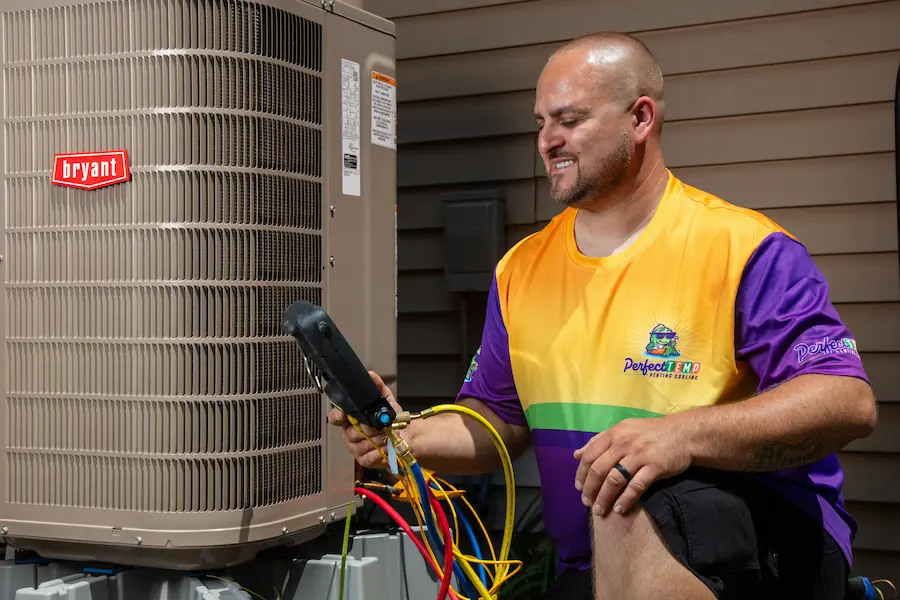
Professional maintenance includes checking refrigerant levels, inspecting electrical connections, lubricating motors, and testing the whole system. Technicians can find worn parts and make sure everything works safely.
When to Schedule Service
Schedule professional maintenance at least once a year, preferably in spring before summer heat arrives. Many manufacturers require professional maintenance to keep your warranty valid. Regular service can extend your AC’s life by 5-10 years.
Watch for Warning Signs
Listen for Strange Sounds
Know when your AC needs attention to prevent small problems from becoming big ones. Listen for unusual sounds like grinding, squealing, or banging. These sounds often mean worn parts or loose connections that need immediate professional help.
Monitor Energy Bills and Performance
Watch your energy bills for unexplained increases, which could mean declining efficiency. Poor cooling, frequent cycling, or rooms that won’t cool properly also show maintenance needs. Never ignore strange odors, especially musty or burning smells.
Ice Formation Is Never Normal
Ice on your indoor or outdoor unit is never normal during summer. Turn off your system immediately and call a professional. Continued operation with ice could damage the expensive compressor.
Energy-Saving Tips for Summer
Use Fans and Manage Heat
Make your AC work more efficiently with these summer strategies. Use ceiling fans to move air around, letting you set your thermostat 3-4 degrees higher while staying comfortable. Close blinds and curtains during the hottest parts of the day.
Avoid Heat-Generating Activities
Don’t use heat-making appliances during the hottest times. Cook outside when possible, use your dishwasher’s air-dry setting, and switch to LED bulbs that make less heat.
Seal Air Leaks
Seal air leaks around windows, doors, and ducts to keep cool air from escaping. Consider upgrading to a more efficient AC system if yours is over 10-15 years old. Modern systems can be 20-40% more efficient than older models.
FAQ: Summer AC Maintenance
Q: How often should I change my AC filter during summer? A: Check monthly and replace every 30-60 days during peak usage, or more often if you have pets or allergies.
Q: Can I clean my AC coils myself? A: Yes, you can gently hose down outdoor coils, but avoid high pressure and harsh chemicals that could damage the fins.
Q: Why is my AC running constantly during hot weather? A: Constant running during extreme heat is normal, but if it never turns off, you may have maintenance issues or need a bigger system.
Q: Should I cover my outdoor unit during summer storms? A: No, outdoor units are built to handle weather. Covering can trap moisture and cause damage.
Q: How can I tell if my refrigerant is low? A: Signs include reduced cooling, ice on coils, hissing sounds, and higher energy bills. This needs professional diagnosis and repair.
Turn to Perfect Temp Heating and Cooling for Professional Help
Proper summer air conditioner maintenance protects your investment while ensuring reliable comfort throughout the hottest months. By following these simple maintenance steps, you’ll enjoy better air quality, lower energy bills, and fewer surprise breakdowns. Don’t wait until your AC breaks during a heat wave – take action now to keep your system running smoothly all summer long.
Ready to make sure your air conditioning system works perfectly this summer? Contact Perfect Temp Heating and Cooling today to schedule your professional maintenance appointment with our certified technicians and keep your home comfortable all season long.