
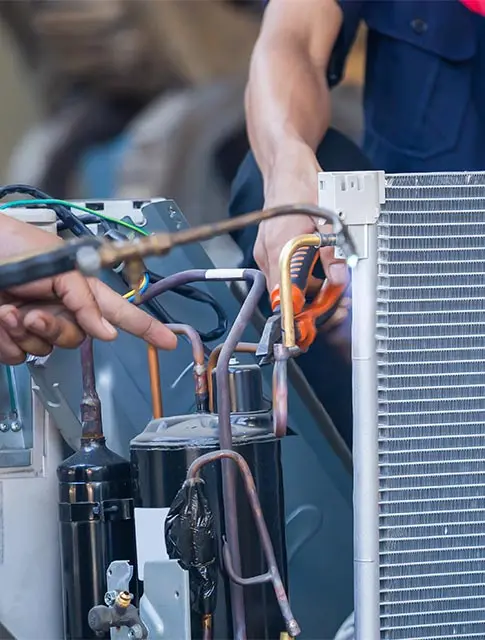
When your air conditioner starts acting up during hot weather, knowing how to fix common air conditioner issues can save you time, money, and keep you comfortable. Many AC problems have simple fixes that homeowners can do themselves before calling for professional help. From weak airflow to strange noises, most cooling system troubles come from basic care issues or small part problems that need simple troubleshooting steps.
Table of Contents
Most Common AC Problems You Can Fix Yourself
Your air conditioner has problems that happen over and over again. Learning about these common issues helps you fix common air conditioner issues fast and easily.
What Goes Wrong Most Often
Most AC problems are simple things like the unit not starting, weak cooling, or weird noises. These happen because parts get dirty, wires come loose, or settings get changed.
About 8 out of 10 AC problems can be fixed with basic care. Things like changing filters, adjusting your thermostat, and cleaning parts prevent most emergency calls.
Power and Electrical Issues
When your AC won’t start, it’s usually an electrical problem. Check your circuit breaker box first – breakers trip a lot when it’s hot outside.
Loose wires make your AC work on and off randomly. Look for damaged or rusty wires before you try other fixes.
Filter and Airflow Problems
Dirty air filters cause lots of AC troubles. When air can’t flow through dirty filters, your AC works too hard and might freeze up.
When Your AC Won’t Turn On
When your AC doesn’t start at all, don’t panic. Most “dead” AC units have simple problems you can fix yourself.
Check Your Thermostat First
Look at your thermostat settings first – make sure it says “cool” and the temperature is set lower than your room temperature. If your thermostat uses batteries, put in new ones because low batteries make it act weird.
Look at your electrical panel for tripped circuit breakers or blown fuses. AC units use lots of power and often trip breakers when they first start up or when it’s really hot outside.
Outdoor Unit Problems
Your outside unit needs clean air around it and good electrical power to work right. Clear away leaves, grass, and junk from around the unit – keep at least two feet of space on all sides.
Find the outdoor disconnect switch near your outside unit – this safety switch might have been turned off by accident during yard work. The switch should be in the “on” spot for normal use.
Ice on Your Unit
Check for ice on the outside coils. Ice stops proper heat exchange and can make your whole system shut down. Turn off your AC for several hours to let the ice melt completely before you try to start it again.
Dealing with Poor Airflow Issues
Weak air coming from your vents means there’s a problem with your ducts, filters, or blower parts. These problems make your home less comfortable and cost more money to run.
Fix Your Air Filter First
Change your air filter right away if it looks dirty or clogged – most home systems need new filters every 1-3 months, depending on how much you use your AC. A dirty filter blocks air more than anything else.
Check all the vents in your home to make sure they’re fully open and not blocked by furniture, curtains, or other stuff. Blocked vents create pressure problems that make your system work poorly.
Check Your Ducts and Vents
Broken or loose ductwork lets cold air escape before it gets to your rooms. Look at any ductwork you can see in basements, crawl spaces, and attics for obvious gaps or damage.
Make sure return air vents have enough space – these bigger vents need clear access to pull air back to your system for cooling. Blocked return vents cause more problems than blocked supply vents.
Clean your vents regularly with a vacuum cleaner or a damp cloth. Dust and dirt buildup reduce airflow and spread allergens around your home.
Solving Temperature Control Problems
When your AC runs all the time but your home doesn’t get cool enough, several things could be wrong. These problems range from simple thermostat issues to more serious cooling problems.
Check Your Thermostat
Test your thermostat by putting an accurate thermometer next to it and comparing the readings. Thermostats can get off track over time, causing temperature problems that seem like AC issues.
Look for heat sources near your thermostat, like lamps, electronics, or direct sunlight. These heat sources give false readings that make your system work harder than it needs to.
Refrigerant and Cooling Problems
Low refrigerant levels stop your system from soaking up heat well. This causes poor cooling and higher electric bills. Signs of refrigerant problems include ice on indoor coils and warm air from vents.
Refrigerant problems need professional help because handling refrigerants requires special licenses and equipment. But you can spot possible refrigerant leaks by looking for oily spots around refrigerant lines and connections.
Addressing Strange Noises and Smells
Weird sounds or smells from your AC system often mean specific problems that need quick attention. Learning to spot these warning signs helps you fix common air conditioner issues before they become expensive repairs.
Common Sounds and What They Mean
Grinding or squealing noises usually mean worn belts or bearings in your system’s motor parts. These sounds usually start sometimes and happen more often as parts wear out more.
Clicking sounds when starting up are normal, but non-stop clicking means electrical problems with switches or relays. Turn off your system right away if you hear non-stop clicking to prevent electrical damage.
Smells and Odors
Musty or moldy smells suggest moisture problems in your ducts or indoor unit. These problems affect your indoor air quality and can make allergies or breathing problems worse.
Rattling or banging noises often come from loose parts or junk inside your outside unit. Check for loose panels, screws, or foreign objects that may have gotten into the unit.
Preventing Ice Formation on Your Unit
Ice buildup on your AC coils creates a serious problem that can damage your system if you don’t fix it quickly. Understanding why ice forms helps you prevent this problem and get your AC working normally again.
Why Ice Forms
Blocked airflow is the main cause of coil icing – when air can’t move freely across cooling coils, temperatures drop below freezing, and moisture in the air turns to ice. This creates a cycle that gets worse over time.
Turn off your AC right away when you see ice forming. Let the ice melt completely before restarting your system, which usually takes 4-6 hours, depending on how much ice is there.
How to Prevent Ice Problems
Change your air filter more often during hot weather to keep proper airflow. Dirty filters are the top cause of coil icing in home AC systems.
Keep all vents in your home unblocked. Even partly blocked vents can create pressure problems that help cause icing.
Understanding High Energy Bills
Sudden jumps in cooling costs often mean your AC system has efficiency problems. Finding and fixing these problems quickly can cut your monthly energy bills by a lot.
Why Your Bills Go Up
Dirty parts make your AC work harder and use more electricity while giving you less cooling comfort. Regular care, like changing filters and cleaning coils, keeps your AC running at its best.
Compare your current energy use to past months and years to spot unusual patterns. Big increases without matching weather changes suggest system problems that need attention.
Ways to Save Money
Seal air leaks around windows, doors, and ducts to stop cold air from escaping your home. These leaks can increase cooling costs by 20-30% even when your AC system works perfectly.
Set your thermostat to higher temperatures when nobody is home. Each degree of temperature increase can reduce cooling costs by 6-8% during hot summer months.
When to Call a Professional
While many AC problems have simple fixes, some issues need professional help and special equipment. Knowing when to call helps you avoid costly mistakes and stay safe.
Electrical Problems
Electrical problems beyond basic circuit breaker issues need professional help because of safety concerns and local building codes. Working with high-voltage electrical systems requires proper training and tools.
Never try to fix electrical parts while power is connected to your system. Turn off the power at both the thermostat and electrical panel before looking at any internal parts.
Refrigerant Issues
Refrigerant system problems always need professional service because handling refrigerants requires EPA certification and special equipment. Trying refrigerant repairs without proper training can damage your system and break federal laws.
Safety First
Gas-powered AC systems need professional service for any heating-related problems. Gas leaks are serious safety hazards that only qualified technicians should handle.
Frequently Asked Questions
How often should I change my AC filter? Most residential systems need filter changes every 30-90 days, depending on usage, pets, and environmental factors. Check your filter monthly and replace it when it appears dirty or clogged.
Why does my AC unit smell musty? Musty odors typically indicate moisture problems or mold growth within your ductwork or indoor unit. Professional cleaning and moisture control measures usually resolve these issues.
What temperature should I set my thermostat? The Department of Energy recommends 78°F when you’re home and higher temperatures when away. Each degree lower increases energy consumption by 6-8%.
How can I improve my AC’s efficiency? Regular maintenance, proper insulation, sealed air leaks, and programmable thermostat use significantly improve cooling efficiency and reduce operating costs.
When should I replace my entire AC system? Systems over 15 years old with frequent repair needs and high energy bills often benefit from replacement with modern, efficient equipment.
Turn to AC Professionals for Expert Help With All Issues
Don’t let AC problems leave you sweltering in the heat. While many common issues have simple solutions you can handle yourself, some problems require professional expertise to fix common air conditioner issues safely and effectively. Perfect Temp Heating and Cooling’s experienced technicians can diagnose and resolve any cooling system problem quickly and efficiently. Contact us today to schedule an appointment with our AC experts and ensure your home stays comfortable all season long.