
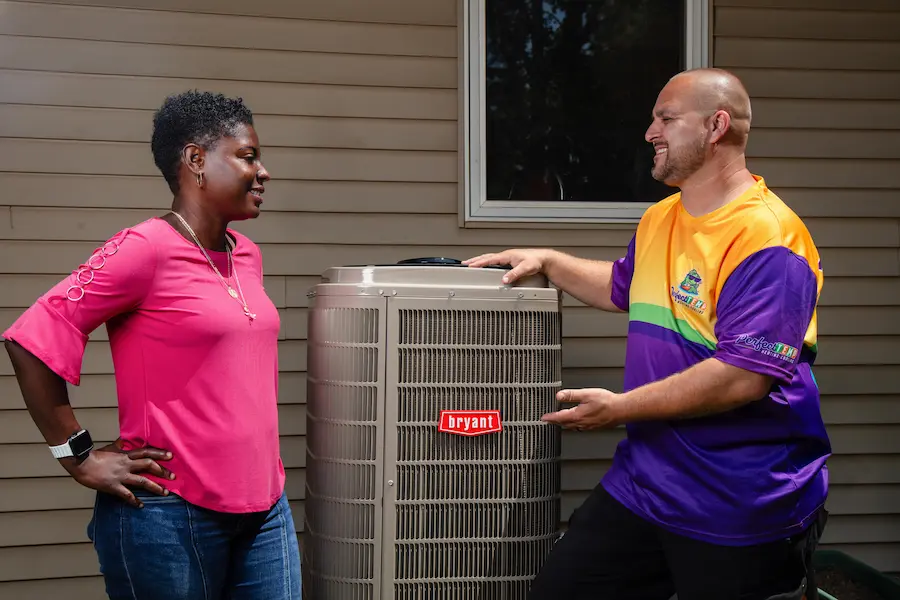
What Obstructions Should You Clear Around Your Outdoor AC Unit in July?
Your outdoor AC unit needs space to breathe! In July, when your air conditioner works hardest, keeping the area around it clear is super important. You should trim back bushes, plants, and trees that are closer than 2-3 feet from your AC unit. Also, clear away grass clippings, leaves, and debris that can block airflow. Remove any items stored near the unit like garden tools, toys, or furniture. Keeping your outdoor AC unit free from these obstructions helps it work better, use less energy, and last longer during the hot summer months.
Now let’s look at why keeping your outdoor AC unit clear matters so much and exactly what you should do about it this July.
Table of Contents
Why Clearing Obstructions Around Your AC Unit Matters
Your outdoor AC unit (also called the condenser) needs good airflow to work right. When stuff blocks it, several problems can happen:
Higher Energy Bills: When your AC has to work harder to pull in air, it uses more electricity. This means you pay more money each month.
Poor Cooling Performance: Blocked units can’t release heat properly. This makes your home feel warmer and less comfortable.
System Damage: Over time, obstructions can cause your AC to break down. Parts might wear out faster when the system has to struggle.
Shorter Lifespan: A constantly blocked AC unit won’t last as long as one that can breathe freely. You might need to replace your system years earlier than normal.
July is especially important for AC maintenance because it’s usually one of the hottest months. Your system is already working super hard, so giving it the best conditions possible makes a big difference.
Plants and Vegetation to Trim Back in July
Plants grow fastest during summer, which means they can quickly crowd your AC unit. Here’s what to look for and trim back this July:
Bushes and Shrubs
Many homeowners plant bushes around AC units to hide them. While this looks nice, these plants need regular trimming. In July, check if any bushes are closer than 2-3 feet from your unit. Use pruning shears to cut them back, creating a clear zone all around the condenser.
Tall Grasses
Ornamental grasses can grow very tall and their blades might get sucked against your AC’s sides. Trim these back if they’re within the 2-3 foot safety zone.
Vines and Climbing Plants
These are especially problematic because they can actually grow into your AC unit. Check for any vines that might be creeping toward or already on your condenser. Cut them back completely and consider redirecting their growth away from the area.
Trees and Overhanging Branches
Look up! Trees above your AC unit can drop leaves, seeds, flowers, and small branches onto it. In July, trim back any branches that hang directly over your unit. This prevents debris from falling in and also ensures that if a summer storm breaks a branch, it won’t damage your expensive equipment.
Flower Beds
If you have flowers planted near your AC, make sure they’re not too close. Even small plants can restrict airflow if there are enough of them surrounding the unit.
Remember that the 2-3 foot clearance rule applies to all sides of your AC unit, including the top. Plants should never touch the equipment itself.
Debris and Objects to Clear Away
Besides living plants, there are many other things that can obstruct your outdoor AC unit in July:
Lawn Clippings
July means frequent lawn mowing. When you mow, make sure grass clippings don’t get blown toward your AC unit. If possible, point your mower discharge away from the condenser or use a bag attachment. After mowing, check the unit and clear away any clippings that might have landed on or around it.
Leaves and Natural Debris
Even in mid-summer, trees can drop leaves, especially during dry spells. Seeds, flower petals, and small twigs also accumulate around your AC unit. Use a broom or leaf blower to clear these away weekly in July.
Outdoor Furniture and Toys
Summer means more outdoor activities. Keep chairs, tables, toys, and sports equipment away from your AC unit. Never stack or store things against the condenser, even temporarily.
Grills and Cooking Equipment
July is prime grilling season! Keep your grill at least 3 feet from your AC unit. Grease, smoke, and heat can damage the condenser and affect its performance.
Garden Tools and Equipment
Don’t lean rakes, shovels, or other tools against your AC unit. Also avoid storing lawnmowers, wheelbarrows, or garden hoses near the condenser.
Trash and Recycling Bins
Keep these well away from your AC unit. They not only block airflow but can also attract pests that might damage wiring or components.
A good rule is to imagine a 3-foot bubble around your AC unit in all directions. Keep this space clear of everything except air!
How to Properly Clean Your Outdoor AC Unit in July
Besides clearing obstructions, July is a great time to clean your outdoor unit. Here’s how to do it safely:
Turn Off the Power First!
Before doing any cleaning, turn off power to the unit at the disconnect box (usually a switch box near the outdoor unit) and at your home’s circuit breaker. This is super important for safety.
Gentle Exterior Cleaning
Use a soft brush or vacuum with a brush attachment to remove loose debris from the exterior grilles. Work gently to avoid bending the metal fins.
Washing the Unit
You can lightly spray the outside of the unit with a garden hose to remove dirt. Use a gentle spray – never use a pressure washer as it can damage the fins. Spray at an angle, not straight into the unit.
Cleaning the Surrounding Area
Clear the ground around the unit of any weeds, rocks, or debris. Consider placing gravel or AC unit pads underneath to prevent weed growth and provide stable footing.
Check for Level Placement
While cleaning, check if your AC unit is still sitting level. Summer rains can sometimes cause the ground to shift. An unlevel unit can develop problems over time.
When to Call a Professional
If you notice the unit is very dirty inside, has bent fins, strange noises, or visible damage, it’s time to call a professional. Some cleaning tasks are best left to experts who can safely handle refrigerant lines and electrical components.
Regular cleaning helps your AC work better and use less energy during the hottest part of summer.
Creating a Maintenance Schedule for the Rest of Summer
July is just the beginning of the hottest part of summer. Here’s how to keep your AC unit clear for the rest of the season:
Weekly Quick Checks
Take a quick walk around your AC unit once a week to:
- Remove any new debris that has accumulated
- Check for plant growth that needs trimming
- Listen for unusual noises that might indicate problems
- Make sure nothing new has been placed too close to the unit
Monthly Deeper Cleaning
Once a month through August and September:
- Turn off power and do a gentle cleaning as described above
- Trim back any plants that have grown into the clear zone
- Check and replace your indoor air filter if needed
- Clear away any cobwebs or insect nests that might have formed
After Storms
Summer storms can blow debris around. After any heavy rain or wind:
- Check your AC unit for new obstructions
- Remove any branches or debris that may have fallen
- Make sure the unit hasn’t been damaged
- Verify that it’s still sitting level on its pad
End of Summer Preparation
In late September or early October:
- Do one final thorough cleaning
- Consider covering the top of the unit (not the sides) to prevent leaves and debris from falling in
- Trim back any plants one last time before they go dormant
Creating a simple calendar reminder for these tasks helps you remember to keep your AC unit clear all summer long.
Frequently Asked Questions About Outdoor AC Unit Maintenance
Should I cover my AC unit in summer?
No, you should not cover your outdoor AC unit during summer. Covering it while it’s in use can cause overheating and damage. Only cover your unit during winter when it’s not being used, and even then, only cover the top to prevent debris from falling in, not the sides which need to breathe.
How close can plants be to my AC unit?
Plants should be at least 2-3 feet away from all sides of your AC unit, including above it. This space allows for proper airflow and prevents debris from being pulled into the unit.
Can I power wash my outdoor AC unit?
No, never use a pressure washer on your AC unit. The high pressure can bend the delicate fins and damage internal components. Instead, use a garden hose with normal pressure and spray at an angle, not directly into the unit.
How often should I clean around my outdoor AC unit?
You should do a quick check weekly during summer months and clear away any obvious debris. A more thorough cleaning should be done monthly during the cooling season and after any major storms.
Will trimming plants around my AC really save money?
Yes! When your AC unit has proper airflow, it can operate more efficiently, using less electricity. This directly translates to lower energy bills. Some homeowners report saving 10-30% on cooling costs just by keeping their units unobstructed.
What should I do if I find damage to my outdoor AC unit?
If you notice bent fins, unusual noises, visible damage, or poor performance, contact a professional HVAC technician. Attempting to repair damage yourself can void warranties and potentially cause more problems.
When to Call a Professional About Your Outdoor AC Unit
While clearing obstructions around your AC unit is something you can do yourself, there are times when you should call in an expert:
Annual Professional Maintenance
Even with your regular clearing and cleaning, your AC system should have professional maintenance once a year. Early July is actually a great time for this if you haven’t had it done yet this year. Professionals can:
- Clean parts you can’t access safely
- Check refrigerant levels
- Test electrical components
- Ensure everything is working at peak efficiency
Signs of Trouble
Call a professional immediately if you notice:
- The unit makes strange noises like grinding, squealing, or banging
- Your home isn’t cooling properly despite the AC running
- Water is pooling around the base of the outdoor unit
- The system cycles on and off frequently
- Your energy bills suddenly increase without explanation
After Severe Weather
If your area experiences flooding, hail, or very high winds, have a professional check your system even if there’s no obvious damage. Internal components might be affected in ways you can’t see.
For Older Systems
If your AC unit is more than 10 years old, consider having a professional evaluation. They can help you determine if clearing obstructions will be enough to maintain efficiency or if you should start planning for replacement.
Remember that keeping your outdoor AC unit clear of obstructions is one of the easiest and most effective ways to maintain your cooling system. By taking a few minutes each week in July to check and clear your unit, you’ll enjoy better comfort, lower energy bills, and a longer-lasting air conditioning system.
Don’t wait until your AC stops working on the hottest day of summer! Take action now to clear those obstructions and keep your cool all season long. If you need professional help with your AC maintenance or have concerns about your system’s performance, contact Perfect Temp today to schedule an appointment. Your comfortable home and reasonable energy bills will thank you!