
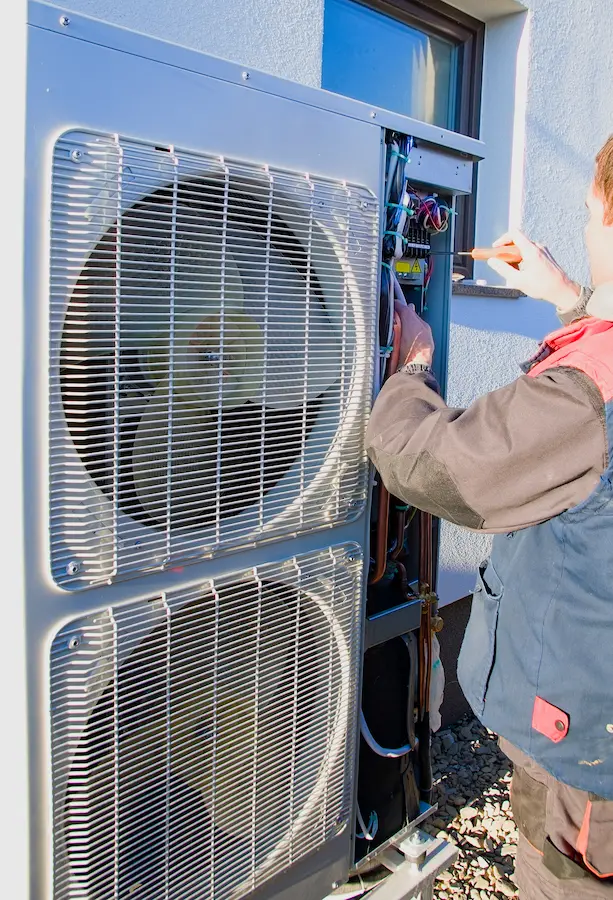
Is It Too Soon to Shut Off the AC?
No, it’s not too soon to shut off the AC when outdoor temperatures consistently stay below 70°F, especially during the day. Most experts recommend waiting until fall is fully established in your area before completely shutting down your cooling system. The ideal time varies by region, but generally, mid-to-late fall is appropriate when you no longer need cooling for comfort. Rather than abruptly turning off your AC, gradually reduce its use by raising the thermostat setting or switching to fan-only mode during the transition period. This approach helps you save energy while maintaining comfort as seasons change.
Table of Contents
| Temperature Range | AC Recommendation | Energy-Saving Tip |
|---|---|---|
| Above 78°F | Keep AC running | Use ceiling fans to improve circulation |
| 70-78°F | Transition period – limited AC use | Open windows during cool mornings/evenings |
| Below 70°F | Safe to shut off AC | Use natural ventilation |
| Below 65°F | AC should be off | Consider winterizing your system |
Signs It’s Time to Turn Off Your AC
Knowing when it’s too soon to shut off the AC can be tricky. Here are some clear signs that it’s the right time to power down your cooling system.
Consistent Outdoor Temperatures
The most reliable indicator is when outdoor temperatures stay below 70°F for at least a week. This shows that the weather has truly shifted.
If you’re still experiencing occasional warm days but cool nights, you might not need to shut off your AC completely. Instead, you could adjust your thermostat settings or use the fan-only mode.
Reduced Indoor Humidity
Your AC doesn’t just cool your home—it also removes humidity. When fall arrives, the air naturally becomes drier in most regions.
If your home no longer feels sticky or muggy without the AC running, this is a good sign that you can shut it off. Lower humidity levels make slightly warmer temperatures feel more comfortable.
Comfortable Indoor Temperatures Without AC
Try turning off your AC for a day. If your home stays comfortable without it, you’re probably ready for the seasonal transition.
Remember that your home’s insulation and sun exposure affect indoor temperatures. South-facing rooms might stay warmer longer into the fall season.
Benefits of Proper AC Shutdown Timing
Getting your AC shutdown timing right offers several advantages for both your comfort and your wallet.
Energy Savings
Turning off your AC when it’s no longer needed can significantly reduce your energy bills. Air conditioning typically accounts for about 12% of home energy expenses, and even more in warmer climates.
By shutting off your AC at the right time, you avoid unnecessary cooling costs during fall. This smart temperature management tip can save you hundreds of dollars annually.
Extended Equipment Life
Your air conditioner works hard during summer months. Giving it a break when possible helps extend its lifespan.
Running your AC when it’s too cool outside can actually cause problems for the system. Modern units aren’t designed to operate efficiently in cooler temperatures, which can lead to unnecessary wear and tear.
Environmental Impact
Making thoughtful fall cooling decisions reduces your carbon footprint. Every day you don’t run your AC means less energy consumption and fewer emissions.
This small change in your seasonal transition planning contributes to larger environmental benefits when practiced by many households.
Risks of Shutting Off Your AC Too Soon
While it’s good to save energy, there are some downsides to turning off your cooling system prematurely.
Unexpected Heat Waves
Fall weather can be unpredictable. Shutting off your AC completely might leave you uncomfortable if temperatures suddenly rise.
Many regions experience “Indian summer” periods—brief returns to summer-like heat during fall. Having a plan for these warm spells is an important part of your seasonal transition planning.
Indoor Humidity Issues
Without your AC running occasionally, indoor humidity levels might rise. This can lead to musty odors or even mold growth in some homes.
If you live in a naturally humid area, you might need to run your AC occasionally even when it’s not hot, just to manage humidity levels.
Restarting Difficulties
If you shut off your AC system completely and then need to restart it after a long period, you might encounter issues. Systems that sit unused can develop problems.
It’s sometimes better to run your system briefly every few weeks during the off-season rather than leaving it completely dormant for months.
Smart Transition Strategies
Instead of making an abrupt change, consider these gradual approaches to your AC shutdown timing.
Adjust Thermostat Settings Gradually
Start by raising your thermostat setting by a few degrees each week. This helps your body adjust to the changing seasons naturally.
Many smart thermostats can be programmed to make these adjustments automatically, making your seasonal transition planning much easier.
Use Fan-Only Mode
Most AC systems have a fan-only setting that circulates air without cooling it. This option uses much less energy while still providing some air movement.
The fan-only mode is perfect for those in-between days when you want some air circulation but don’t need active cooling.
Combine Natural Cooling Methods
As you reduce AC use, incorporate natural cooling techniques:
- Open windows during cool mornings and evenings
- Use ceiling fans to improve air circulation
- Close blinds during the hottest part of the day
- Cook outdoors to avoid heating up your kitchen
These temperature management tips help maintain comfort while reducing your reliance on mechanical cooling.
Regional Considerations for AC Shutdown
Your location plays a big role in determining when it’s too soon to shut off the AC.
Southern Regions
If you live in the South or Southwest, you’ll likely need your AC longer into the fall season. Some southern homes may run their cooling systems well into October or even November.
Humidity is also a bigger factor in southern regions, so you might need to run your AC occasionally just for dehumidification even when temperatures are moderate.
Northern Areas
Northern states typically see earlier opportunities to shut off the AC, sometimes as early as late August or early September.
However, buildings in northern regions often have better insulation for winter, which can trap heat inside during fall. This might require occasional AC use even when outside temperatures seem cool.
Coastal Versus Inland Areas
Coastal areas generally have more moderate temperature swings, which might allow for earlier AC shutdown.
Inland regions often experience greater temperature variations between day and night, which might require more thoughtful fall cooling decisions.
Preparing Your AC for the Off-Season
Once you’ve decided it’s not too soon to shut off the AC, take these steps to properly prepare your system for its break.
Clean or Replace Filters
Don’t leave dirty filters in your system during the off-season. Clean or replace them before shutting down your AC.
This simple maintenance step prevents dust and debris from settling in your system while it’s not in use.
Clear Debris Around Outdoor Unit
Remove leaves, twigs, and other debris from around your outdoor condenser unit. This prevents potential damage and ensures proper airflow when you restart the system.
Consider using a cover for your outdoor unit if recommended by the manufacturer, but be aware that some systems should not be covered.
Schedule Professional Maintenance
Fall is an ideal time for AC maintenance. A professional can:
- Check refrigerant levels
- Clean coils and components
- Identify any issues that need addressing before next season
- Ensure your system is properly prepared for its dormant period
This proactive approach to seasonal transition planning helps prevent costly repairs later.
When to Turn Your AC Back On
Just as there’s timing for shutting off your AC, there’s also a right time to restart it.
Spring Temperature Thresholds
Generally, when temperatures consistently rise above 70°F in spring, you might need cooling again. This varies by region and personal preference.
Some people prefer to wait until temperatures reach 75-80°F before restarting their AC systems.
Test Run Before Hot Weather
It’s wise to test your AC system with a brief run before you actually need it. This allows you to identify any issues that developed during the off-season.
A test run of 15-30 minutes is usually sufficient to ensure everything is working properly.
Gradual Cooling Approach
When restarting your AC after winter, begin with moderate temperature settings rather than immediately setting it to its coldest level.
This approach is gentler on your system and helps avoid the shock of sudden temperature changes for both your home and your body.
Energy-Efficient Alternatives During Transition Seasons
When it’s too soon to shut off the AC completely but you want to reduce energy use, consider these alternatives.
Ceiling and Portable Fans
Fans use significantly less energy than air conditioners. They create a wind-chill effect that can make you feel several degrees cooler without actually lowering the air temperature.
Strategic fan placement can help move cool air throughout your home, especially during morning and evening hours.
Window Management Techniques
Proper window management is a key temperature management tip:
- Open windows on opposite sides of your home to create cross-ventilation
- Use window coverings to block sun during the day
- Install window films that reduce heat gain
These passive cooling methods can significantly reduce your need for mechanical cooling.
Whole House Fans and Attic Ventilation
Whole house fans pull cool air in through windows and exhaust hot air through the attic. They use about 1/10 the electricity of central air conditioning.
Proper attic ventilation also helps keep your entire home cooler by preventing heat buildup in upper areas.
Frequently Asked Questions
Will turning my AC on and off damage the system?
Frequent cycling (turning on and off within short periods) can strain your AC system. However, turning it off for extended periods when not needed is actually beneficial. The key is avoiding multiple on/off cycles within the same day.
How much money can I save by turning off my AC in fall?
The savings vary based on your local energy rates, but most households can save $20-$50 per month by shutting off their AC when it’s not needed. This makes proper AC shutdown timing an important financial consideration.
Can I just set my thermostat higher instead of turning off the AC?
Yes, raising your thermostat setting is a good transition strategy. Each degree above 72°F can save about 3-5% on cooling costs. Setting your thermostat to 78°F or higher during fall can provide significant savings while maintaining the option for cooling if needed.
Should I cover my outdoor AC unit during fall and winter?
This depends on your specific unit and local climate. Some manufacturers recommend covers, while others advise against them because they can trap moisture and lead to rust. Check your owner’s manual or consult with an HVAC professional for guidance specific to your system.
How do I know if my home has humidity problems when the AC is off?
Watch for condensation on windows, musty odors, or a clammy feeling in the air. You can also purchase an inexpensive hygrometer to measure indoor humidity levels. Ideally, indoor humidity should stay between 30-50% for comfort and to prevent mold growth.
Making the Right Decision for Your Home
Determining if it’s too soon to shut off the AC is ultimately a personal decision based on your comfort preferences, local climate, and energy-saving goals.
Listen to your body and pay attention to how your home feels. If you’re comfortable without the AC running, it’s probably safe to shut it off. If you’re still feeling too warm or humid, it might be too soon.
Remember that seasonal transition planning isn’t just about comfort—it’s also about protecting your home and HVAC system. Making thoughtful fall cooling decisions now can prevent problems later.
If you’re unsure about the best approach for your specific situation, consider consulting with a professional. They can provide personalized temperature management tips based on your home’s characteristics and your local climate.
Ready to ensure your heating and cooling systems are properly maintained for the seasonal transition? Contact Perfect Temp Heating & Cooling to schedule an appointment with our experienced technicians who can help optimize your system for maximum comfort and efficiency year-round.