What To Do When Your Furnace Is Short-Cycling Frequently
When your furnace is short-cycling frequently, it means your heating system turns on and off in quick, repeated cycles instead of running through normal, complete heating cycles. This common problem not only makes your home less comfortable but can also increase your energy bills and wear out your furnace faster. Short-cycling happens when your furnace runs for a very short time (often less than a few minutes), shuts off, then turns back on again soon after. The good news is that you can often fix this problem yourself with some simple troubleshooting steps, though sometimes you’ll need professional help.
Table of Contents
| Short-Cycling Signs | Possible Causes | Typical Solutions |
|---|---|---|
| Furnace runs for 1-3 minutes then stops | Dirty air filter | Replace filter (easiest fix) |
| Multiple on/off cycles per hour | Thermostat issues | Check placement, batteries, settings |
| Blowing cold air during cycles | Overheating | Clean system, check airflow |
| Unusual noises during cycling | Mechanical problems | Professional inspection needed |
Why Is Your Furnace Short-Cycling Frequently?
Before you can fix the problem, you need to understand why your furnace is short-cycling frequently. Several common issues can cause this frustrating problem.
Dirty or Clogged Air Filters
The most common reason your furnace is short-cycling frequently is a dirty or clogged air filter. When dust and dirt build up on your filter, air can’t flow properly through your heating system. This makes your furnace work harder and get too hot. When it overheats, the furnace shuts down as a safety measure. Once it cools down a bit, it starts up again, creating that annoying on-off cycle.
Air filters should be changed every 1-3 months depending on your home conditions. If you have pets or allergies, you might need to change them even more often.
Thermostat Problems
Your thermostat might be causing your furnace to short-cycle if it’s:
- Placed in a bad spot (like near a heat source or in direct sunlight)
- Not level on the wall
- Running on dying batteries
- Malfunctioning due to age or damage
When your thermostat reads the wrong temperature, it sends incorrect signals to your furnace, telling it to turn on and off at the wrong times.
Oversized Furnace
If your furnace is too big for your home, it will heat your space too quickly. This causes it to reach the set temperature fast and shut off. Then the temperature drops, and the cycle starts again. This is why proper sizing is so important when installing a new furnace.
Overheating Issues
Your furnace has safety features that shut it down if it gets too hot. Besides dirty filters, overheating can happen because of:
- Blocked vents or registers in your home
- Dirty internal components
- Problems with the blower motor
- Restricted airflow in the system
Flame Sensor Problems
The flame sensor is a safety device that detects whether your furnace’s burner is lit. If it’s dirty or faulty, it might not sense the flame properly. This makes your furnace shut down shortly after starting up because it thinks the gas is flowing without being ignited (which would be dangerous).
DIY Solutions When Your Furnace Is Short-Cycling Frequently
Now that you know the possible causes, let’s look at what you can do yourself to fix a short-cycling furnace.
Check and Replace Air Filters
Since dirty filters are the most common cause when your furnace is short-cycling frequently, start here:
- Turn off your furnace at the thermostat and circuit breaker for safety
- Locate your furnace filter (usually in a slot near the blower compartment)
- Remove the old filter and check if it’s dirty
- Replace with a new filter of the same size and type
- Make sure the filter is inserted in the correct direction (look for arrows showing airflow)
This simple fix solves many short-cycling problems and takes just a few minutes.
Inspect Your Thermostat
Next, check your thermostat:
- Replace the batteries if it’s been a while
- Make sure it’s level on the wall
- Check that it’s not in direct sunlight or near heat sources
- Verify the temperature setting is correct
If you have an older thermostat, consider upgrading to a programmable or smart model. These newer thermostats are more accurate and have features that can prevent short-cycling.
Check Your Vents and Registers
Walk around your home and make sure all vents and registers are:
- Open (not closed or blocked by furniture)
- Clean (free of dust and debris)
- Unobstructed (no rugs or curtains blocking airflow)
Blocked vents restrict airflow, which can cause your furnace to overheat and short-cycle.
Clean Around Your Furnace
Keep the area around your furnace clean and clear. Remove any stored items, especially flammable materials. This helps with proper airflow and reduces fire hazards.
Reset Your Furnace
Sometimes a simple reset can fix electronic glitches that cause short-cycling:
- Turn off your furnace at the thermostat
- Find the circuit breaker for your furnace and switch it off
- Wait about 30 seconds
- Switch the breaker back on
- Turn the thermostat back on and set it to heat mode
This “power cycle” can sometimes resolve minor electronic issues.
When to Call a Professional for a Short-Cycling Furnace
While the DIY steps above can fix many short-cycling issues, some problems require professional help. Call an HVAC technician if:
You’ve Tried the DIY Solutions Without Success
If you’ve changed the filter, checked the thermostat, and made sure vents are open, but your furnace is still short-cycling frequently, it’s time for expert help.
Your Furnace Is Making Unusual Noises
Banging, scraping, or squealing sounds along with short-cycling could indicate mechanical problems that need professional attention.
You Notice Electrical Issues
If your circuit breaker trips when the furnace runs or you see any sparks, shut off the system immediately and call a professional. These are serious safety concerns.
Your Furnace Has a Blinking Light
Modern furnaces have diagnostic lights that blink in patterns to indicate specific problems. If you see a blinking light on your furnace control board, check your owner’s manual for what it means or call a technician.
You Smell Gas
If you smell gas near your furnace, leave your home immediately, call your gas company from a safe location, and then contact an HVAC professional. Gas leaks are extremely dangerous.
Professional Repairs for a Short-Cycling Furnace
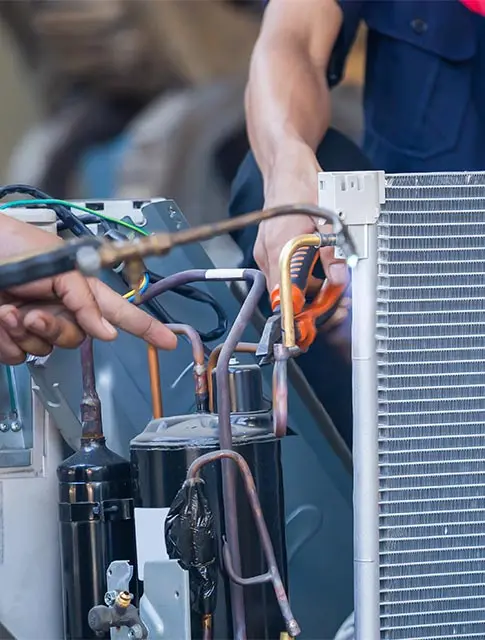
When a technician visits to fix your short-cycling furnace, they might perform several repairs depending on what’s causing the problem.
Flame Sensor Cleaning or Replacement
A professional can safely clean a dirty flame sensor using fine sandpaper or steel wool. If the sensor is damaged, they’ll replace it. This is a relatively inexpensive repair that often solves short-cycling.
Limit Switch Replacement
The limit switch is a safety device that shuts down the furnace if it gets too hot. If it’s faulty, it might trigger shutdowns even when the furnace isn’t actually overheating. A technician can test and replace this component.
Blower Motor Repairs
If the blower motor that circulates air through your system is failing, it can cause airflow problems that lead to short-cycling. Depending on the issue, the motor might need repair or replacement.
Control Board Issues
The furnace control board is like the brain of your heating system. If it’s sending incorrect signals, your furnace might short-cycle. A technician can diagnose and replace faulty control boards.
Proper Sizing Assessment
If your furnace is too large for your home, a professional can perform a load calculation to confirm this. While replacing an oversized furnace is expensive, it might be the best long-term solution for persistent short-cycling.
Preventing Future Short-Cycling Problems
Once your furnace is running normally again, take these steps to prevent future short-cycling issues:
Regular Maintenance
Schedule annual furnace maintenance with a professional. They’ll clean internal components, check electrical connections, and spot potential problems before they cause short-cycling.
Filter Replacement Schedule
Set reminders to check and replace your air filter regularly:
- Standard 1-inch filters: Every 1-3 months
- Pleated filters: Every 3-6 months
- High-efficiency filters: According to manufacturer recommendations
Thermostat Upgrades
Consider upgrading to a smart thermostat with learning capabilities. These can adjust heating cycles more efficiently and often have troubleshooting features that alert you to potential problems.
Proper Vent Management
Make it a habit to check that vents remain unblocked when you rearrange furniture or add new rugs and curtains to your home.
The Costs of Ignoring a Short-Cycling Furnace
If you notice your furnace is short-cycling frequently but decide to ignore it, you could face several consequences:
Higher Energy Bills
Short-cycling wastes energy because your furnace uses the most power during startup. When it starts up repeatedly, your energy consumption increases significantly. This can add 10-20% to your heating bills.
Reduced Furnace Lifespan
A properly maintained furnace should last 15-20 years. Short-cycling puts extra wear and tear on components, potentially cutting your furnace’s lifespan in half. Replacing a furnace costs thousands of dollars, so extending its life through proper maintenance makes financial sense.
Uneven Heating
When your furnace is short-cycling frequently, some areas of your home won’t get enough heat before the system shuts off. This creates uncomfortable cold spots and temperature fluctuations.
Component Failure
The repeated starting and stopping stresses key components like the heat exchanger, blower motor, and ignition system. This can lead to expensive repairs that could have been avoided.
Frequently Asked Questions About Furnace Short-Cycling
How long should my furnace normally run?
In moderate weather, a properly sized furnace typically runs for 10-15 minutes per cycle. In very cold weather, cycles may be longer. Very short cycles (1-3 minutes) indicate a problem.
Can a dirty flame sensor cause short-cycling?
Yes, a dirty flame sensor is a common cause when your furnace is short-cycling frequently. The sensor shuts down the furnace if it can’t detect the flame, even if the flame is actually present.
Is furnace short-cycling dangerous?
While short-cycling itself isn’t immediately dangerous, it can indicate problems that could become safety hazards, such as overheating or gas flow issues. It’s best to address short-cycling promptly.
How much does it cost to fix a short-cycling furnace?
Costs vary widely depending on the cause. DIY filter replacement costs $10-$30. Professional repairs range from $100-$300 for flame sensor or limit switch issues, up to $1,000+ for major component replacements.
Can a thermostat cause short-cycling?
Yes, faulty thermostats or thermostats placed in poor locations can cause your furnace to short-cycle. Replacing a thermostat typically costs $100-$300 depending on the model.
How often should I change my furnace filter?
Standard 1-inch filters should be changed every 1-3 months. Homes with pets, children, or allergy sufferers may need more frequent changes. High-efficiency filters may last longer but check manufacturer recommendations.
Taking Action When Your Furnace Is Short-Cycling
When you notice your furnace is short-cycling frequently, don’t wait to address the problem. Start with the simple fixes like checking your air filter and thermostat. These quick steps often solve the issue without any expense.
If basic troubleshooting doesn’t work, it’s time to call in a professional. The cost of a service call is much less than the long-term expense of higher energy bills and premature furnace replacement.
Remember that regular maintenance is the best way to prevent short-cycling and other furnace problems. By taking care of your heating system, you’ll enjoy reliable comfort and efficiency for many years.
When you need expert help with a short-cycling furnace or any heating issue, Perfect Temp Heating & Cooling is ready to help. Our experienced technicians can quickly diagnose the problem and provide effective, affordable solutions. Contact us today to schedule an appointment and restore your home’s comfort!