
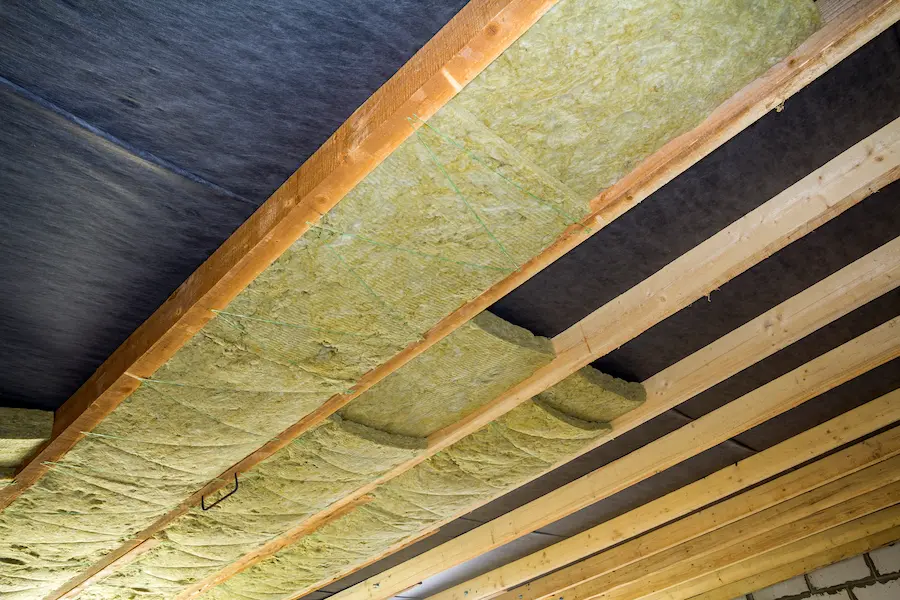
How Air Leaks Impact Your Furnace Performance
Air leaks can significantly reduce your furnace’s efficiency and drive up your heating bills. When warm air escapes through cracks, gaps, and poorly insulated areas of your home, your furnace must work harder to maintain comfortable temperatures. This extra strain forces your heating system to run longer cycles, using more energy and wearing down components faster. Air leaks typically waste 20-30% of your home’s heated air, making your furnace work up to 30% harder than necessary. Proper insulation and sealing these leaks can improve furnace performance, extend equipment life, and save you hundreds of dollars annually on energy costs.
Table of Contents
| Impact of Air Leaks | With Air Leaks | After Sealing Leaks |
|---|---|---|
| Energy Waste | 20-30% loss | 5-10% loss |
| Furnace Run Time | Longer cycles | Shorter, efficient cycles |
| Monthly Heating Bills | Higher costs | 10-20% savings |
| Home Comfort | Cold spots, drafts | Even temperatures |
Common Sources of Air Leaks in Homes
Understanding where air leaks occur is the first step to fixing them. Most homes have several areas where heated air escapes and cold air enters.
Windows and Doors
Windows and doors are major sources of air leaks in most homes. Over time, seals around windows crack and shrink, creating tiny gaps where air can flow freely. You might notice curtains moving slightly even when windows are closed.
Door frames often develop gaps as houses settle and materials expand and contract with temperature changes. The space under exterior doors is especially problematic, with even a quarter-inch gap letting in as much cold air as a small hole in your wall.
Ductwork Problems
Your home’s ductwork system carries heated air from your furnace to each room. When ducts have leaks, that expensive heated air escapes into attics, crawl spaces, and inside walls instead of warming your living spaces.
Duct leaks typically occur at connection points where sections join together. The Department of Energy estimates that the average home loses 20-30% of heated air through duct leaks before it ever reaches your rooms. This forces your furnace to run longer cycles to achieve the temperature you’ve set.
Attic and Basement Openings
Attics and basements contain many potential air leak sources. Recessed lighting fixtures, attic hatches, and plumbing vent pipes all create openings in your home’s thermal envelope.
In basements, rim joists (where your house’s frame meets the foundation) often have gaps that let cold air flow in. Utility penetrations, where pipes, wires, and vents pass through walls, create small but significant air leak pathways that add up to major heat loss.
How Air Leaks Affect Furnace Operation
Air leaks don’t just make your home feel drafty, they fundamentally change how your furnace operates, usually for the worse.
Increased Run Time and Energy Use
When air leaks allow heated air to escape, your furnace must run longer to maintain your thermostat setting. This increased run time directly translates to higher energy consumption and bigger utility bills.
A furnace in a leaky home might run 2-3 additional hours per day compared to a well-sealed home. Over a month, this extra operation adds up to significant energy waste. Your furnace burns more fuel but delivers less comfort, similar to driving a car with a hole in the gas tank.
Temperature Inconsistencies
Air leaks create cold spots and temperature variations throughout your home. You might notice certain rooms feel colder than others, or areas near windows and exterior walls feel drafty.
These temperature inconsistencies often lead people to raise their thermostat setting, forcing the furnace to work even harder. The problem isn’t that your furnace isn’t producing enough heat, it’s that the heat is escaping before it can warm your living spaces properly.
Strain on Furnace Components
The extra workload from air leaks puts additional strain on your furnace’s mechanical components. Longer run times mean more wear and tear on motors, igniters, and other parts.
This increased strain can lead to more frequent breakdowns and a shorter overall lifespan for your heating system. A furnace designed to last 15-20 years might fail after just 10-12 years when constantly overworked due to air leaks.
The Role of Insulation in Furnace Efficiency
Proper insulation works hand-in-hand with air sealing to maximize your furnace’s performance. While air sealing stops the flow of air, insulation slows the transfer of heat through walls, ceilings, and floors.
Types of Insulation and R-Values
Insulation effectiveness is measured by its R-value, the higher the number, the better it resists heat flow. Different home areas need different R-values based on your climate.
Fiberglass batts are common in walls and attics, providing R-values of 3.1 to 4.3 per inch. Blown-in cellulose offers R-values around 3.5 per inch and fills irregular spaces well. Spray foam provides both insulation and air sealing with R-values of 3.7 to 6.5 per inch.
For most northern homes, attics should have insulation rated at R-49 to R-60, while walls need R-13 to R-21. Inadequate insulation makes your furnace work harder regardless of how well you’ve sealed air leaks.
How Insulation Preserves Furnace Heat
Think of insulation as a thermal barrier that keeps heat where you want it. In winter, it traps the warm air your furnace produces inside your living spaces instead of letting it escape through walls and ceilings.
Well-insulated homes maintain temperature longer after the furnace cycles off. This means fewer heating cycles, less energy use, and more consistent comfort. Your furnace might run less often in a properly insulated home compared to one with poor insulation.
Critical Areas Needing Insulation
Some areas of your home affect furnace performance more than others when poorly insulated.
Attics are particularly important since heat naturally rises. An under-insulated attic can allow up to 25% of your home’s heat to escape. Adding proper attic insulation often provides the biggest improvement in furnace performance.
Exterior walls account for about 35% of heat loss in most homes. Insulating walls, especially those facing north or northwest, significantly reduces the load on your furnace.
Floors over unheated spaces like crawl spaces or garages also need proper insulation. Without it, your furnace must constantly replace heat being lost through the floor.
Detecting Air Leaks in Your Home
Before you can fix air leaks, you need to find them. Several simple methods can help you identify where your home is losing heat.
DIY Detection Methods
The hand test is the simplest way to find air leaks. On a cold, windy day, move your hand around windows, doors, electrical outlets, and other potential leak areas. You’ll feel cold air movement where leaks exist.
The candle test offers visual confirmation of air leaks. Light a candle and slowly move it near suspected leak areas. If the flame flickers or smoke wavers, you’ve found an air leak.
For a more thorough approach, you can create a simple smoke pencil by extinguishing an incense stick and using the smoke trail to detect air movement around potential leak areas.
Professional Energy Audits
Professional energy auditors use specialized equipment to precisely locate and measure air leaks. A blower door test depressurizes your home while measuring how quickly air infiltrates, quantifying your home’s leakiness.
Thermal imaging cameras reveal temperature differences that indicate air leaks and insulation gaps invisible to the naked eye. These cameras can scan entire walls and ceilings quickly, creating a comprehensive map of problem areas.
Professional audits might cost $200-$600 but often identify energy-saving opportunities that pay for themselves within a year through reduced heating bills and improved furnace performance.
Sealing Air Leaks to Improve Furnace Efficiency
Once you’ve identified air leaks, sealing them is relatively straightforward and often inexpensive. The materials you’ll need depend on the size and location of the leaks.
Weatherstripping for Doors and Windows
Weatherstripping creates a tight seal around moving parts like doors and windows. For doors, adhesive-backed foam tape works well around the jamb, while door sweeps seal the gap at the bottom.
Window weatherstripping options include V-strip (tension seal), foam tape, and tubular rubber or silicone. These materials compress when the window closes, creating an airtight seal that prevents drafts.
Properly installed weatherstripping can reduce air leaks around doors and windows by up to 50%, significantly improving your furnace’s ability to maintain comfortable temperatures.
Caulking for Cracks and Gaps
Caulk seals stationary cracks and gaps up to 1/4 inch wide. Silicone caulk works best for bathrooms and other high-moisture areas, while acrylic latex caulk is ideal for most interior applications.
Apply caulk to gaps where different building materials meet, such as where window frames join the wall or where baseboards meet flooring. Don’t forget exterior applications, sealing where siding meets window and door frames.
A single tube of caulk might cost $3-$5 and can seal dozens of small air leaks, making it one of the most cost-effective ways to improve furnace performance.
Foam Sealants for Larger Openings
Expanding foam sealants fill larger gaps and irregular spaces that caulk can’t handle effectively. These products come in spray cans and expand to fill the space after application.
Use foam sealants around plumbing penetrations, electrical boxes, and where pipes or wires enter your home. They’re also excellent for sealing gaps in the attic floor around recessed lights and vent pipes.
Be careful when applying expanding foam, it can expand more than expected and be difficult to remove once cured. Low-expansion foams are available for areas where over-expansion might cause problems.
Improving Insulation for Better Furnace Performance
Adding or upgrading insulation complements air sealing efforts by further reducing heat loss and improving furnace efficiency.
Attic Insulation Upgrades
The attic is usually the easiest place to add insulation and often provides the biggest return on investment. You can add new insulation directly over existing material as long as it doesn’t have a vapor barrier.
Blown-in cellulose or fiberglass works well for attic floors, creating a continuous thermal barrier even around obstacles. For most homes in cold climates, aim for total attic insulation of R-49 to R-60.
Proper attic insulation can reduce heating costs by 10-50% depending on your current insulation levels. This directly translates to less work for your furnace and longer equipment life.
Wall Insulation Solutions
Adding insulation to existing walls is more challenging but still possible. For homes with no wall insulation, blown-in insulation can be added through small holes drilled between wall studs, which are patched afterward.
Exterior walls should ideally have insulation rated at R-13 to R-21 depending on your climate zone. Properly insulated walls not only improve furnace performance but also make your home more comfortable by eliminating cold wall surfaces.
When remodeling, take the opportunity to add foam board insulation beneath new siding or drywall to significantly boost your wall R-values and reduce the load on your furnace.
Floor and Basement Insulation
Insulating floors over unheated spaces prevents heat loss downward. For basements, insulating rim joists, where the house frame meets the foundation, is particularly important for reducing air leaks and heat loss.
Rigid foam board works well for rim joists, providing both insulation and air sealing in one application. For floors over crawl spaces, fiberglass batts installed between floor joists with the vapor barrier facing upward provide effective insulation.
Properly insulated floors can improve comfort dramatically by eliminating cold floors while reducing the workload on your furnace.
The Impact of Duct Sealing on Furnace Efficiency
Your ductwork system is a critical but often overlooked component affecting furnace performance. Leaky ducts can waste 20-30% of the heated air your furnace produces.
Finding and Fixing Duct Leaks
Duct leaks typically occur at connection points where sections join together. Look for disconnected joints, visible gaps, or dust streaks that indicate air is escaping.
For accessible ducts, seal joints with mastic sealant (a special paste for ducts) or metal tape specifically designed for ductwork. Avoid standard duct tape, which deteriorates quickly when used on actual ducts.
Professional duct sealing services use specialized equipment to locate and seal leaks throughout your entire duct system, including areas you can’t easily access.
Duct Insulation Benefits
Ducts running through unconditioned spaces like attics, crawl spaces, or garages should be insulated to prevent heat loss during air distribution. Uninsulated ducts in these areas can lose 10-30% of heating energy.
Wrap ducts with duct insulation sleeves or blankets with an R-value of at least R-6. Secure the insulation with mechanical fasteners and seal all joints with foil tape to create a continuous thermal barrier.
Properly insulated and sealed ducts ensure that more of your furnace’s heated air reaches your living spaces, improving comfort and reducing run time.
Measuring the Results: Energy Savings and Comfort
After addressing air leaks and insulation issues, you should notice several improvements in your home’s heating performance.
Tracking Energy Usage
Compare your heating bills before and after improvements to quantify energy savings. Most homeowners see a reduction in heating costs after comprehensive air sealing and insulation upgrades.
Smart thermostats can help track furnace run time, which should decrease noticeably after addressing air leaks. Many models provide reports showing how often your system runs compared to previous periods.
Keep in mind that weather variations affect energy usage, so compare similar months year-over-year or use heating degree days (available from weather services) to normalize your comparisons.
Comfort Improvements
Beyond energy savings, you should notice significant comfort improvements. Rooms should maintain more consistent temperatures, with fewer cold spots and drafts.
Your furnace should cycle less frequently while maintaining comfortable temperatures. This quieter operation and more stable indoor environment are valuable benefits beyond the energy savings.
Many homeowners also report improved indoor air quality after sealing air leaks, as less dust, pollen, and outdoor pollutants can enter the home.
Frequently Asked Questions About Air Leaks and Furnace Performance
Will sealing air leaks make my home too airtight?
Most homes are so leaky that air sealing improves rather than harms indoor air quality. However, very tight homes may need mechanical ventilation to ensure fresh air exchange. If you’re concerned, consider having a professional test your home’s air exchange rate after completing major air sealing projects.
What’s the difference between air sealing and insulation?
Air sealing stops the movement of air through gaps and cracks, while insulation slows the transfer of heat through solid materials. Both are necessary for optimal furnace performance. Think of air sealing as stopping drafts, while insulation is like a blanket that keeps heat from conducting through your walls and ceiling.
How often should I check for new air leaks?
Homes naturally settle and materials expand and contract with seasonal changes, creating new air leaks over time. It’s good practice to check for air leaks annually, ideally before each heating season. Pay special attention after extreme weather events or if you notice changes in your home’s heating performance.
Can I seal air leaks myself or do I need a professional?
Many air leaks can be effectively sealed by homeowners using basic materials from hardware stores. Simple projects like weatherstripping doors and windows or caulking visible gaps are great DIY tasks. However, comprehensive air sealing of attics, crawl spaces, and ductwork often benefits from professional expertise and equipment.
Maximizing Your Furnace’s Potential
Addressing air leaks and improving insulation are among the most effective ways to enhance your furnace’s performance. These improvements reduce strain on your heating system, lower energy bills, and create a more comfortable home environment.
Start with the easiest and most cost-effective measures, like weatherstripping doors and windows or adding attic insulation. Even small improvements can make a noticeable difference in how your furnace performs during cold weather.
For comprehensive home performance improvements, consider scheduling a professional energy audit to identify all potential air leaks and insulation gaps. Contact Perfect Temp Heating & Cooling today to book an appointment for a furnace inspection and learn how we can help maximize your heating system’s efficiency through proper air sealing and insulation recommendations.