
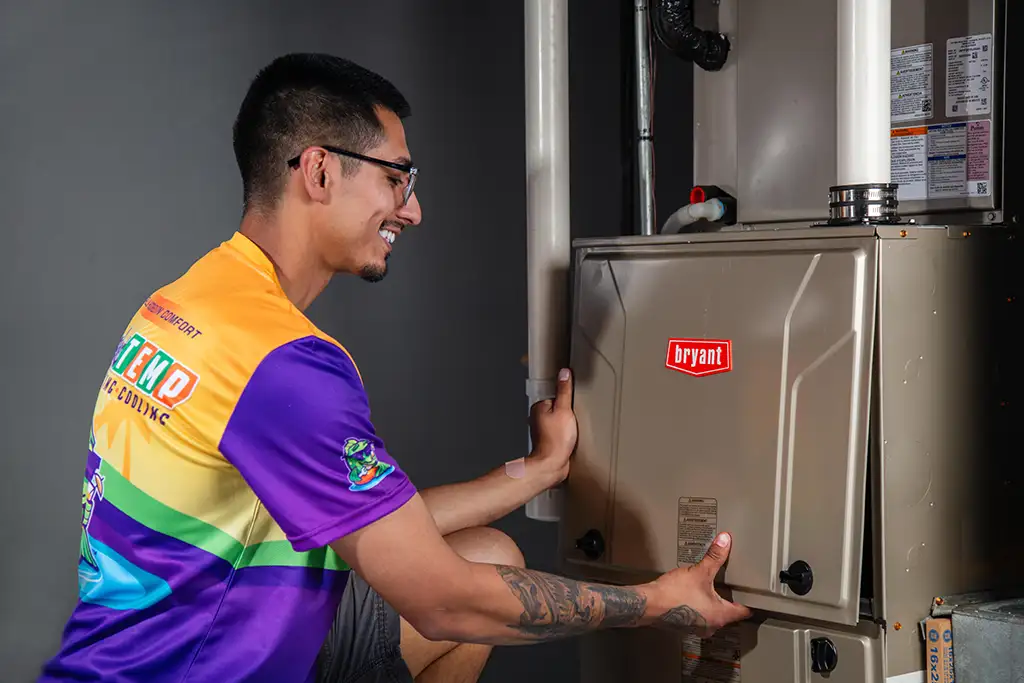
The Real Cost of Ignoring Mid-Winter Furnace Maintenance
Skipping furnace maintenance during the coldest months of the year can cost you much more than you might think. When you ignore furnace maintenance in mid-winter, you risk higher energy bills, expensive emergency repairs, and even dangerous safety issues. Your furnace works hardest during winter, making this the worst time for it to break down. Regular furnace maintenance helps catch small problems before they become big, expensive ones. It also keeps your system running efficiently, extends its lifespan, and ensures your family stays warm and safe during freezing temperatures.
Table of Contents
Maintained vs. Neglected Furnace Costs
| Cost Factor | With Regular Maintenance | Without Maintenance |
|---|---|---|
| Monthly Energy Bills | $100-150 | $150-250 (30-50% higher) |
| Repair Costs (Annual) | $0-200 | $500-2,000+ |
| System Lifespan | 15-20 years | 8-12 years |
| Emergency Service Calls | Rare | 2-3 times more likely |
| Replacement Costs | Delayed by 5-8 years | Earlier replacement ($4,000-$9,000) |
Financial Impacts of Skipping Furnace Maintenance
Higher Energy Bills
When your furnace isn’t maintained, it has to work harder to heat your home. This means it uses more energy. A dirty furnace can use up to 30% more energy than a clean one.
Think about what that means for your monthly bills. If your normal winter heating bill is $150, a poorly maintained furnace could push that up to $195 or more each month. Over just one winter, that’s hundreds of dollars wasted!
Dirty filters, dusty components, and worn parts all make your system less efficient. The furnace runs longer cycles but produces less heat. It’s like trying to breathe through a straw – it takes more effort to get the same result.
Expensive Emergency Repairs
Emergency furnace repairs in the middle of winter can be very costly. When temperatures drop below freezing and your furnace stops working, you’ll pay premium prices for urgent service.
Emergency repair calls might cost 1.5 to 2 times more than scheduled service. A repair that might cost $300 during regular hours could cost $450-$600 as an emergency call. And that’s if parts are readily available!
The most common mid-winter furnace failures can include:
- Blower motor failures ($400-$800 to replace)
- Ignition system problems ($200-$600 to repair)
- Heat exchanger cracks ($1,500-$3,500 to replace)
- Circuit board failures ($500-$1,000 to replace)
Many of these problems could be prevented with regular furnace maintenance. Technicians can spot worn parts before they fail completely.
Shortened System Lifespan
Your furnace is a big investment. Most furnaces should last 15-20 years with proper care. Without regular maintenance, that lifespan can drop to just 8-12 years.
Replacing a furnace might cost between $4,000 and $9,000 depending on the model and your home’s needs. If neglect forces you to replace your system 5-7 years early, that’s thousands of dollars you could have saved.
Regular furnace maintenance helps your system last longer by:
- Reducing strain on components
- Preventing overheating
- Keeping moving parts properly lubricated
- Preventing rust and corrosion
Think of it like changing the oil in your car. Skip that simple maintenance, and you’ll be shopping for a new car much sooner than planned.
Health and Safety Risks
Carbon Monoxide Dangers
One of the scariest risks of skipping furnace maintenance is carbon monoxide leaks. Carbon monoxide is a colorless, odorless gas that can be deadly. It’s produced when fuel doesn’t burn completely in your furnace.
A cracked heat exchanger or blocked flue can cause carbon monoxide to leak into your home. Without regular inspections, these problems might go unnoticed until it’s too late.
Carbon monoxide poisoning sends about 50,000 Americans to emergency rooms each year. Sadly, it causes about 430 deaths annually. Many of these tragedies could be prevented with proper furnace maintenance.
During maintenance, technicians check for cracks, proper venting, and correct combustion. They also make sure your carbon monoxide detectors are working properly.
Fire Hazards
Neglected furnaces can also create fire hazards in your home. Dust buildup, frayed wires, gas leaks, and overheating components all increase the risk of fire.
Furnace-related fires cause millions in property damage each year. They often happen during the coldest months when systems are working hardest.
Regular furnace maintenance includes cleaning dust from components, checking electrical connections, and testing for gas leaks. These simple steps greatly reduce fire risks.
Indoor Air Quality Issues
Your furnace affects the air you breathe inside your home. Without proper maintenance, it can spread dust, allergens, and even mold throughout your living space.
Poor indoor air quality can trigger:
- Asthma attacks
- Allergic reactions
- Respiratory infections
- Headaches
- Fatigue
Children, elderly family members, and people with existing health conditions are especially vulnerable to these problems.
Regular furnace maintenance includes cleaning or replacing air filters, cleaning the blower assembly, and checking for mold or moisture issues. These steps help keep your indoor air clean and healthy.
Comfort and Reliability Issues
Uneven Heating
A poorly maintained furnace often creates cold spots throughout your home. You might find some rooms too cold while others are too warm. This happens because the system can’t distribute heat evenly anymore.
Uneven heating makes your home less comfortable. You might pile on extra blankets in some rooms or use space heaters, which adds to your energy costs and creates additional safety risks.
Regular furnace maintenance ensures proper airflow and heat distribution. Technicians check fan operation, clean ducts if needed, and make sure your system is balanced properly.
Frequent Cycling
Does your furnace turn on and off constantly? This problem, called short cycling, wastes energy and puts extra wear on your system.
Short cycling happens when:
- Filters are clogged
- Thermostats aren’t calibrated correctly
- Components are dirty or failing
- The system is overheating
Each time your furnace starts up, it uses extra energy. Frequent cycling can increase your energy bills while making your home less comfortable.
Regular maintenance prevents short cycling by addressing these common causes before they become problems.
Noisy Operation
Strange noises from your furnace aren’t just annoying – they’re warning signs. Banging, whistling, grinding, or squealing sounds all indicate problems that need attention.
These noises often mean:
- Loose or broken parts
- Airflow restrictions
- Bearing problems in motors
- Ignition issues
Ignoring these sounds allows small problems to grow into major repairs. Regular furnace maintenance includes identifying and fixing the causes of unusual noises.
The Value of Mid-Winter Furnace Maintenance
What Professional Maintenance Includes
Professional furnace maintenance is much more thorough than just changing a filter. A complete maintenance visit typically includes:
- Inspecting heat exchangers for cracks
- Testing safety controls and limit switches
- Checking and adjusting gas pressure
- Cleaning burners and checking flame quality
- Inspecting the flue system for proper venting
- Testing for carbon monoxide leaks
- Cleaning or replacing air filters
- Checking and tightening electrical connections
- Lubricating moving parts
- Calibrating the thermostat
- Checking blower operation and cleaning components
This comprehensive service takes 60-90 minutes and should be done at least once a year. Many professionals recommend maintenance in fall before heating season begins, but mid-winter maintenance is valuable too – especially if you skipped the fall check-up.
Cost vs. Benefit Analysis
Professional furnace maintenance might cost between $80 and $150. That might seem like an expense you can skip, but let’s look at the math:
- Annual maintenance: $80-$150
- Energy savings: $150-$300 per season
- Avoided emergency repair: $300-$600 per incident
- Extended system life: $300-$600 per year (based on replacement costs spread over time)
Even at the low end, you’re saving $350 per year by investing in maintenance. That’s a return of over 200% on your investment!
Plus, many HVAC companies offer maintenance plans that include priority service, discounts on repairs, and other benefits. These plans often pay for themselves with just one avoided emergency call.
DIY Maintenance Between Professional Visits
While professional maintenance is essential, there are things you can do between visits to keep your furnace running well:
- Check and change air filters monthly during winter
- Keep the area around your furnace clean and free of clutter
- Make sure vents and returns aren’t blocked by furniture or curtains
- Listen for unusual noises and call for service if you hear them
- Test carbon monoxide detectors monthly
- Check that your thermostat is working correctly
These simple steps help maintain efficiency between professional visits and can alert you to problems before they become serious.
Frequently Asked Questions
How often should I have my furnace maintained?
You should have professional furnace maintenance at least once per year, ideally before the heating season begins in fall. If you use your furnace heavily or have an older system, twice-yearly maintenance (fall and mid-winter) provides even better protection.
Can I just change the filter myself instead of paying for maintenance?
Changing filters is important, but it’s only one small part of proper furnace maintenance. Professional maintenance includes safety checks, efficiency adjustments, and inspection of components that most homeowners can’t access or evaluate properly. Filter changes are something you should do in addition to, not instead of, professional maintenance.
My furnace is new. Do I still need maintenance?
Yes! New furnaces need maintenance too. In fact, many warranties require annual professional maintenance to remain valid. Skipping maintenance on a new system can void your warranty protection and allow small problems to develop before the system is fully broken in.
What’s the best time for furnace maintenance?
Early fall (September-October) is ideal for annual maintenance, before you need to use your heating system regularly. However, if you missed fall maintenance, mid-winter maintenance is still valuable and can prevent breakdowns during the coldest months.
How much money can furnace maintenance really save?
Regular furnace maintenance typically saves 10-30% on heating bills, prevents costly repairs, and extends system life by 5-7 years. For most homeowners, this adds up to $300-$500 in annual savings, plus the avoided cost of premature system replacement.
Don’t Wait Until Your Furnace Fails
The real cost of skipping furnace maintenance goes far beyond the price of a service call. From higher energy bills to safety risks, the consequences of neglect can be serious and expensive.
Regular furnace maintenance is one of the best investments you can make in your home. It saves money, prevents headaches, and keeps your family safe and comfortable during the coldest months of the year.
Don’t wait until your furnace stops working on the coldest night of the year. If you haven’t had your system checked recently, now is the perfect time. Contact Perfect Temp Heating & Cooling today to schedule your furnace maintenance appointment and enjoy peace of mind all winter long.