
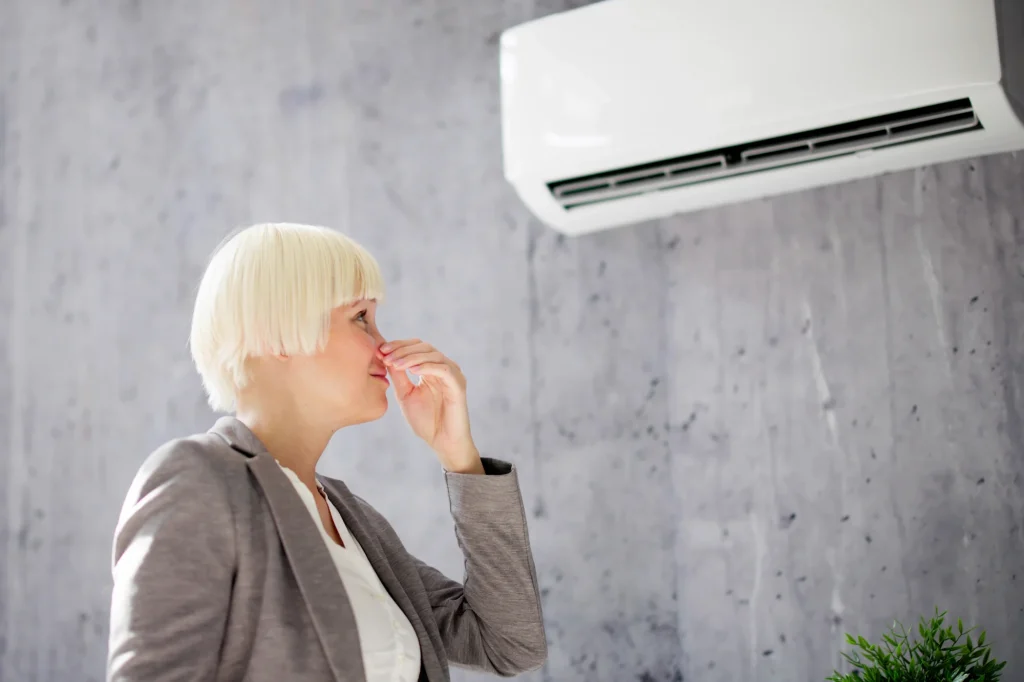
How Dirty Ducts Affect Heating This Winter
Yes, dirty ducts definitely affect heating in your home during winter. When dust, debris, and other contaminants build up in your ductwork, they restrict airflow and force your heating system to work harder. This makes your home less comfortable with uneven heating and increases your energy bills by up to 30%. Dirty ducts can also spread allergens throughout your home, affecting indoor air quality and potentially causing health issues. Getting your ducts cleaned before winter arrives ensures your heating system works efficiently when you need it most, keeping your home cozy and your energy costs under control.
Table of Contents
| Impact of Dirty Ducts | Benefits of Clean Ducts |
|---|---|
| Reduced airflow | Improved heating efficiency |
| Higher energy bills | Lower utility costs |
| Uneven heating | Consistent temperatures |
| Poor indoor air quality | Healthier breathing environment |
| Increased system wear | Extended equipment lifespan |
Signs Your Ducts Need Cleaning Before Winter
Knowing when your ducts need cleaning can save you from heating problems when temperatures drop. Here are clear signs to watch for:
Visible Dust Around Vents
If you notice dust collecting around your air vents, this is a strong sign that your ducts are dirty. When your heating system runs, it pushes air through these dirty ducts. This blows dust into your living spaces.
Take a quick look at your supply vents. Do you see dust buildup on or around them? If yes, your ducts likely need cleaning before winter arrives.
Increased Allergy Symptoms
Have you or your family members been sneezing more often? Are your allergies acting up even though it’s not allergy season? Dirty ducts could be the culprit.
Dust, pet dander, and other allergens collect in your ductwork over time. When you turn on your heating system, these particles circulate throughout your home. This can trigger allergy symptoms like:
- Sneezing
- Coughing
- Itchy eyes
- Runny nose
- Throat irritation
Uneven Heating Throughout Your Home
Do some rooms feel toasty while others remain chilly? Uneven heating often points to airflow problems. Dirty ducts restrict airflow, preventing warm air from reaching all areas of your home equally.
This problem gets worse in winter when you rely heavily on your heating system. Clean ducts allow air to flow freely, creating consistent temperatures throughout your home.
Higher Than Normal Energy Bills
Have you noticed your energy bills creeping up? When ducts are clogged with dust and debris, your heating system must work harder to push air through. This extra strain uses more energy.
Compare your current bills to last year’s. A significant increase might mean your ducts are affecting your heating efficiency. Cleaning them before winter can help lower these costs.
How Dirty Ducts Affect Heating Performance
Understanding exactly how dirty ducts affect heating can help you see why pre-winter cleaning is so important. Let’s look at the specific ways dirty ducts impact your heating system’s performance.
Restricted Airflow Problems
Dirty ducts create a major obstacle for your heating system. As dust and debris build up inside the ductwork, the passages become narrower. This is like trying to breathe through a straw instead of your nose.
Your furnace or heat pump must work harder to push air through these narrowed passages. This extra strain causes several problems:
- Your system runs longer to reach the desired temperature
- Components wear out faster from overwork
- Energy consumption increases significantly
- Your home takes longer to warm up
Clean ducts, on the other hand, allow air to flow freely. This means your system can work as designed without unnecessary strain.
Reduced Heating Efficiency
Heating efficiency drops dramatically when ducts are dirty. Studies show that dirty ducts can reduce heating efficiency by 20-40%. This means nearly half of the energy you pay for might be wasted!
Think about it this way: if your ducts are 30% blocked with dust and debris, you’re only getting about 70% of the heating you’re paying for. The rest is lost to overcoming the resistance in your ductwork.
Impact on System Lifespan
Your heating system is designed to last many years, but dirty ducts can cut its life short. When your system constantly struggles against clogged ducts, parts wear out faster.
The blower motor is especially vulnerable. This component works overtime when ducts are dirty, often leading to premature failure. Replacing a blower motor can cost hundreds of dollars – much more than a duct cleaning service.
Regular duct cleaning helps protect your investment in your heating system. Clean ducts mean less strain, fewer repairs, and a longer system lifespan.
Ductwork Cleaning Benefits for Winter Preparation
Getting your ducts cleaned before winter arrives offers many benefits that go beyond just better heating. Here’s what you can expect when you invest in professional duct cleaning.
Improved Indoor Air Quality
Winter means spending more time indoors with windows closed. This makes indoor air quality even more important. Clean ducts help you breathe easier by removing:
- Dust and dust mites
- Pet dander and hair
- Pollen and other allergens
- Mold spores
- Bacteria and viruses
For families with asthma or allergies, clean ducts can make a huge difference in comfort during winter months. Even for healthy individuals, cleaner air means better sleep and fewer respiratory irritations.
Energy Savings Potential
Clean ducts can lead to significant energy savings. The U.S. Department of Energy notes that even a small improvement in heating efficiency can reduce energy bills by 5-15%.
For an average household spending $1,500 on heating during winter, this could mean savings of $75-$225 in just one season. Over several years, duct cleaning easily pays for itself through these energy savings.
Extended Equipment Life
Your heating system represents a major investment in your home. Protecting this investment makes financial sense. Clean ducts reduce the workload on your system, which helps extend its useful life.
Most furnaces are designed to last 15-20 years, but many fail earlier due to preventable issues like dirty ducts. Regular duct cleaning as part of your pre-winter maintenance can help ensure your system reaches its full expected lifespan.
DIY Pre-Winter Duct Maintenance Tips
While professional cleaning is recommended for thorough duct maintenance, there are several steps you can take yourself to improve your duct system before winter arrives.
Basic Vent Cleaning Steps
Start with the parts of your duct system you can easily reach – the vents and registers. Here’s a simple process:
- Turn off your heating system completely.
- Unscrew and remove vent covers throughout your home.
- Wash vent covers with warm, soapy water and dry thoroughly.
- Use your vacuum’s hose attachment to clean inside the duct opening as far as you can reach.
- Wipe down the visible interior surfaces with a damp microfiber cloth.
- Replace the vent covers once everything is dry.
This basic cleaning helps remove dust that would otherwise blow into your living spaces when you turn on your heat.
Filter Replacement Importance
Your system’s air filter is your first line of defense against dirty ducts. Before winter, make sure to:
- Replace disposable filters with high-quality options (aim for MERV 8-11 for good filtration without restricting airflow)
- Clean washable filters thoroughly according to manufacturer instructions
- Consider upgrading to a better filtration system if you have allergy sufferers in your home
Plan to check filters monthly during winter and replace them whenever they look dirty – not just on a fixed schedule. A clean filter catches more dust before it enters your ductwork.
Sealing Leaky Ducts
Leaky ducts waste energy and allow dust to enter your duct system. Before winter, check accessible ductwork in your attic, basement, or crawlspace for:
- Disconnected sections
- Visible gaps at seams
- Crushed or damaged ducts
For minor leaks, use metal-backed duct tape (not regular duct tape, which fails quickly) or mastic sealant to seal gaps. For larger issues, consider calling a professional, as proper duct sealing can improve heating efficiency by 20% or more.
Professional Duct Cleaning: What to Expect
While DIY maintenance helps, professional duct cleaning provides a much more thorough solution. Here’s what happens during a professional service and how to choose the right provider.
The Professional Cleaning Process
A proper professional duct cleaning involves several steps:
Inspection: The technician examines your entire duct system, often using cameras to check for blockages, damage, or mold growth.
Protection setup: Furniture and floors are covered to prevent dust from spreading during cleaning.
Negative pressure creation: A powerful vacuum is connected to your ductwork to pull dust and debris out of the system.
Agitation methods: Special tools like brushes, air whips, or compressed air tools loosen stuck-on debris inside ducts.
Cleaning of components: The technician cleans all components, including supply and return vents, grilles, heat exchangers, coils, drain pans, and fan motor.
Sanitizing (optional): Some services offer EPA-approved sanitizing treatments to kill bacteria and mold.
The entire process typically takes 3-5 hours for an average home, depending on the size of your duct system and how dirty it is.
Choosing a Qualified Service Provider
Not all duct cleaning services are equal. To find a qualified provider:
- Look for certification from the National Air Duct Cleaners Association (NADCA)
- Check reviews and ask for references from past customers
- Ensure they use proper equipment (truck-mounted vacuum systems are best)
- Get a detailed estimate in writing before work begins
- Ask about their cleaning methods and what’s included
- Verify they carry proper insurance
Be wary of very low-priced offers, as proper duct cleaning requires time and professional equipment. A quality service typically costs $300-$700 for an average home, depending on your location and system size.
Pre-Winter Duct Maintenance Timeline
Timing is important when preparing your ducts for winter. Follow this timeline to ensure your system is ready before the cold weather arrives.
Early Fall Assessment
Early fall (September) is the perfect time to assess your duct system. During this period:
- Check for visible dust around vents
- Listen for unusual noises when your system runs
- Pay attention to any musty smells when the air blows
- Look for signs of pest intrusion in accessible ductwork
- Schedule a professional inspection if you haven’t had one in the past 2-3 years
This early assessment gives you plenty of time to address any issues before you need to run your heating system regularly.
Mid-Fall Cleaning Schedule
Mid-fall (October) is ideal for duct cleaning. This timing works well because:
- The weather is still mild enough that you won’t miss your heating system during service
- You’ll have time to address any issues discovered during cleaning
- Professional services aren’t yet booked solid with emergency winter calls
- Your system will be clean and efficient when you need it most
If you’re doing DIY maintenance, this is also the time to clean vents, replace filters, and seal any accessible leaks.
Pre-First-Freeze Final Checks
Before the first freeze (usually November, depending on your location), perform these final checks:
- Run your heating system for a test cycle
- Check all vents for proper airflow
- Listen for any unusual sounds
- Replace filters if they’ve collected dust during testing
- Make sure all vents and registers are open and unblocked by furniture
These final checks ensure everything is working properly before you need continuous heating. If you notice any issues, there’s still time to call for service before the peak winter rush.
Heating Efficiency Improvement Beyond Duct Cleaning
While clean ducts are essential for efficient heating, other steps can further improve your winter comfort and energy savings.
Complementary Winter Preparation Tips
These additional steps work alongside clean ducts to maximize heating efficiency:
- Seal windows and doors: Add weatherstripping or caulk to eliminate drafts.
- Add insulation: Ensure your attic has proper insulation (R-30 to R-60, depending on your climate).
- Install a programmable thermostat: Save up to 10% on heating by automatically lowering temperatures when you’re away or sleeping.
- Reverse ceiling fans: Run fans clockwise at low speed to push warm air down from the ceiling.
- Use thermal curtains: Close them at night to retain heat and open during sunny days to capture solar warmth.
These simple steps, combined with clean ducts, create a comprehensive approach to winter heating efficiency.
Smart Thermostat Benefits
A smart thermostat pairs perfectly with clean ducts to maximize efficiency. These devices:
- Learn your schedule and preferences automatically
- Allow remote control via smartphone
- Provide energy usage reports to help identify savings opportunities
- Adjust based on outdoor weather conditions
- Send alerts about potential system problems
Many utility companies offer rebates for smart thermostat installation, making them an affordable upgrade that pays for itself quickly through energy savings.
Regular Maintenance Schedule Benefits
Beyond duct cleaning, establishing a regular HVAC maintenance schedule provides lasting benefits:
- Annual professional tune-ups: Have your heating system professionally serviced each fall.
- Monthly filter checks: Mark your calendar to check and replace filters regularly.
- Seasonal vent cleaning: Wipe down visible vent surfaces each season.
- Biannual duct inspections: Check accessible ductwork twice yearly for damage.
This ongoing maintenance prevents the buildup of problems and helps catch small issues before they become expensive repairs.
Frequently Asked Questions About Dirty Ducts and Heating
How often should ducts be cleaned for optimal heating?
Most homes benefit from professional duct cleaning every 3-5 years. However, you might need more frequent cleaning if you have:
- Pets that shed heavily
- Family members with allergies or asthma
- Recently completed a renovation project
- Experienced water damage or mold issues
- Noticed visible dust buildup around vents
Annual inspections can help determine if cleaning is needed sooner than the standard timeline.
Can dirty ducts cause health problems in winter?
Yes, dirty ducts can contribute to health issues, especially during winter when windows stay closed. Problems may include:
- Worsened allergy symptoms
- Increased asthma attacks
- More frequent respiratory infections
- Headaches from poor air quality
- Sleep disturbances due to breathing issues
These health effects often become more noticeable in winter when people spend more time indoors with the heating system running constantly.
How much energy do dirty ducts waste?
According to the U.S. Department of Energy, dirty ducts can reduce heating system efficiency by 20-40%. For the average household, this translates to:
- $100-300 in wasted energy costs each winter
- Increased carbon footprint
- Unnecessary strain on the power grid during peak demand
- Shorter equipment lifespan due to overwork
The exact amount varies based on your home size, local energy costs, and how dirty your ducts are.
Can I clean ducts myself or is professional service necessary?
While you can perform basic maintenance yourself, professional service is recommended for thorough cleaning because:
- Professionals have specialized equipment that reaches deep into ductwork
- DIY methods can’t access most of your duct system
- Improper cleaning can damage ducts or release more dust into your home
- Professionals can identify and address other issues like leaks or mold
DIY maintenance is valuable between professional cleanings but isn’t a complete substitute.
Will duct cleaning reduce my heating bills?
Yes, clean ducts typically reduce heating bills by 5-15%. The savings come from:
- Improved airflow requiring less energy to distribute heat
- Shorter system run times to achieve desired temperatures
- Reduced strain on system components
- More efficient heat transfer
Most homeowners recoup the cost of professional duct cleaning within 1-2 heating seasons through energy savings alone.
Preparing Your Home for Winter Comfort
As winter approaches, taking care of your duct system is one of the smartest ways to ensure your home stays comfortable and efficient. Dirty ducts affect heating in multiple ways – from reduced efficiency and higher bills to poor air quality and uneven temperatures. By addressing this often-overlooked aspect of home maintenance, you set yourself up for a cozier, healthier winter season.
Remember that duct cleaning works best as part of a comprehensive winter preparation strategy. Combine it with other efficiency measures like proper insulation, weatherstripping, and regular system maintenance for the best results. The small investment of time and money now prevents much larger expenses and discomfort when temperatures drop.
Don’t wait until you’re shivering in a cold house with sky-high energy bills to think about your duct system. Contact Perfect Temp Heating & Cooling today to schedule your pre-winter duct cleaning and heating system check. Our experienced technicians will ensure your system is clean, efficient, and ready to keep you comfortable all winter long.