
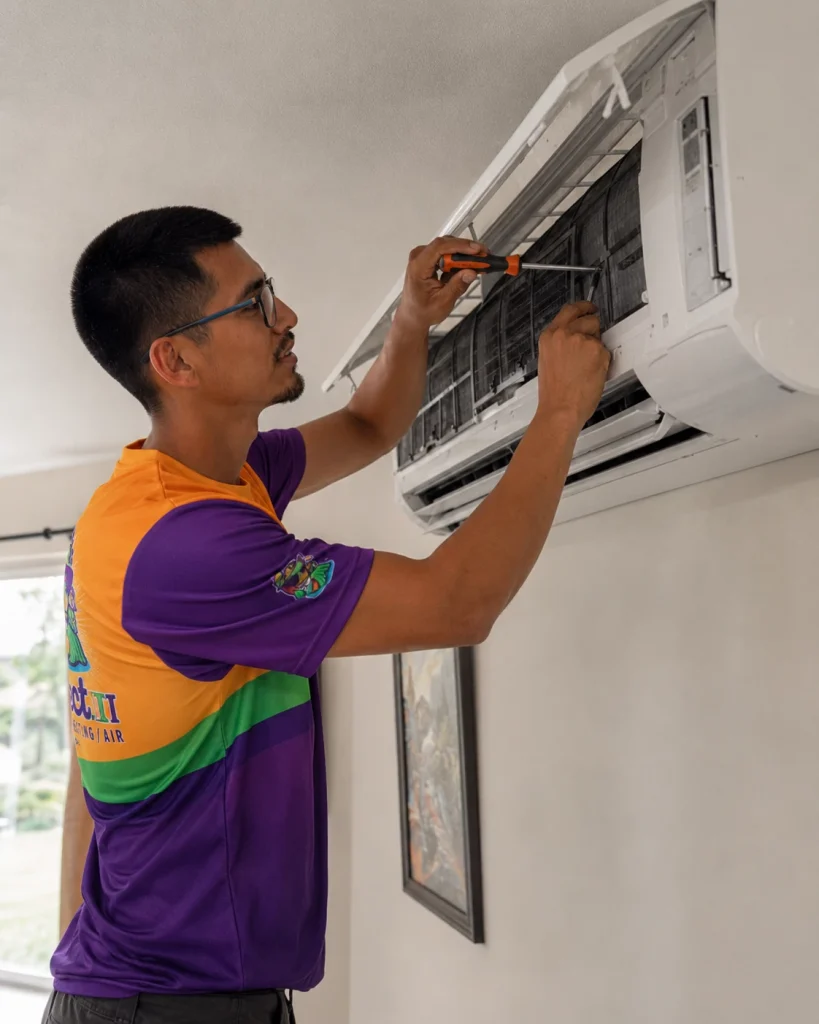
Make Your Summer AC Installation Smooth and Stress-Free
Getting a new AC should make your home more comfortable, not more stressful. The best way to avoid surprise problems is to look ahead at what your house needs before the new system goes in. That planning starts before the heat really kicks in, when you still have time to make smart changes.
For many Rockford homeowners, the right prep makes the difference between a cool, quiet summer and one filled with tripped breakers, hot rooms, and unexpected repair visits. A quick pre-installation AC assessment can uncover issues that are easy to miss until the first real heat wave hits.
There are three big questions to ask before you move forward with AC installation in Rockford: Is your electrical panel ready for the load, are your ducts sized and set up correctly, and has anyone done a proper cooling load calculation for your home? When those three pieces are covered, the new system has a much better chance of working the way it should from day one.
Why a Pre-Installation AC Assessment Matters
A pre-installation AC assessment is an on-site check of your home before any new equipment is installed. During this visit, an HVAC pro looks at your current cooling setup, your electrical system, and your ductwork. The goal is simple: match the new AC to your home, instead of forcing your home to fit the new AC.
Rockford summers can be hot and sticky, so a system that is too big or too small will show its flaws fast. An undersized unit may run all day and still leave you with warm rooms and high humidity. An oversized unit may blast cold air in short bursts, then shut off before it has time to pull moisture out of the air, leaving the house cool but clammy.
A good assessment helps you get:
- Fewer mid-summer breakdowns when your AC is working the hardest
- Better comfort in every room, not just the ones near the thermostat
- Longer system life, because the equipment is not straining or short cycling
- Quieter operation, since ducts and airflow are checked ahead of time
Instead of guessing what size system you need or where problems might pop up, the assessment gives a clear picture. That means fewer surprises once the outdoor unit and indoor components are installed.
Signs Your Electrical Panel Needs an Upgrade Before AC
Modern central AC systems pull a lot of power, especially during startup. Many older Rockford homes were built before central air was common, so the electrical panels were not always designed with today’s cooling needs in mind. If your panel is already close to its limit, adding a new AC can push it too far.
Homeowners often notice warning signs long before a new system is installed. Some common red flags include:
- Breakers that trip when window units, space heaters, or an older AC kick on
- Buzzing or humming sounds from the electrical panel
- A panel cover that feels warm to the touch
- No open breaker slots for new equipment
If any of this sounds familiar, it is a good idea to have the panel looked at before you move forward with AC installation in Rockford. During an installation project, an HVAC contractor and a licensed electrician work together to see if your panel can handle the new load. They typically check:
- The total amperage rating of the panel
- Available capacity for the new condenser and air handler
- The condition of the wiring and breakers
- Basic safety and code concerns that need attention
Taking care of electrical issues ahead of time helps prevent nuisance trips, overheating, and safety risks when the summer heat pushes your system to work harder.
How Ductwork Affects Summer Comfort and Cooling Bills
Your ducts are the “roads” your cool air travels on. Even the best AC cannot fix poor duct design or damaged runs. If ducts are too small, too large, leaky, or uninsulated in the wrong spots, you can end up with uneven cooling and higher bills.
During spring tune-ups and pre-install visits in Rockford, we often see:
- Rooms that never seem to cool down like bedrooms or bonus rooms
- Weak airflow from certain vents, even when the system runs constantly
- Whistling, rattling, or banging noises when the AC turns on
- Hot second floors or finished attics, while the main floor feels fine
- Visible gaps in metal ducts or kinks in flexible duct runs
Before a new AC goes in, it may make sense to adjust the ductwork so the system can do its job properly. Some common duct modifications include:
- Resizing key runs that are too narrow or too wide
- Adding or moving supply vents so each room gets the right airflow
- Adding return vents so air can circulate more smoothly
- Sealing leaky joints with proper materials instead of tape that fails
- Insulating ducts in unconditioned basements, crawlspaces, or attics
These changes help cool air reach every part of your home more evenly. That means your new AC does not have to run longer than needed to push air through a poor duct layout, which can help keep energy use in check in the summer.
Why a Professional Load Calculation Beats Guesswork
A cooling load calculation sounds technical, but the idea is simple. It is a detailed look at how much cooling each room in your home actually needs. The calculation takes into account square footage, ceiling height, insulation, window size and direction, shade, air leakage, and more.
Skipping this step and just replacing equipment “size for size” can lead to problems. Many homes already have units that are too big or too small. When the size is wrong, you may notice:
- Short cycling, where the AC turns on and off frequently
- Cool but sticky air, because the system is not running long enough to dehumidify
- Warm spots in some rooms while others feel too cold
- A system that seems to run all day during the hottest Rockford afternoons
During a professional load calculation, homeowners can expect a contractor to:
- Measure each room, including ceiling heights
- Check window sizes, directions, and shading
- Ask about rooms that are often too hot or too cold
- Look at insulation levels, attic conditions, and signs of air leaks
- Use software or Manual J Method to pick the right AC size
This process takes a bit of time, but it gives a far better result than guessing based only on square footage or the size of your old unit.
Your Rockford AC Installation Checklist Before Summer
If you want your next AC installation in Rockford to go smoothly, a simple checklist can help you cover the big items before the heat really sets in. Here is an easy way to think about the steps:
- Arrange a pre-installation AC assessment so an HVAC pro can look at your home as a whole system
- Have the electrical panel evaluated so you know if upgrades are needed for safety and performance
- Get the ductwork inspected for sizing, leaks, and insulation problems
- Request a professional cooling load calculation instead of guessing on AC size
- Review clear written options so you understand any recommended work before the new unit goes in
It often works best to start this process in late spring or early summer, before demand peaks and schedules fill up. That way, if your home needs an electrical panel upgrade, duct modifications, or permits, there is time to take care of it before the hottest days arrive.
At Perfect Temp Heating & Cooling, we focus on making sure Rockford homes are truly ready before new equipment is installed. When your panel, ducts, and load calculation are all lined up, your AC has a much better chance of keeping you cool, comfortable, and relaxed all summer long.
Get Started With Reliable Comfort For Your Home Today
If you are ready for a cooler, more efficient home this season, our team at Perfect Temp is here to help with expert AC installation in Rockford. We will walk you through your options, answer your questions, and recommend the setup that fits your space and budget. To schedule your estimate or ask a quick question, simply contact us and we will follow up promptly so you can enjoy dependable comfort as soon as possible.